
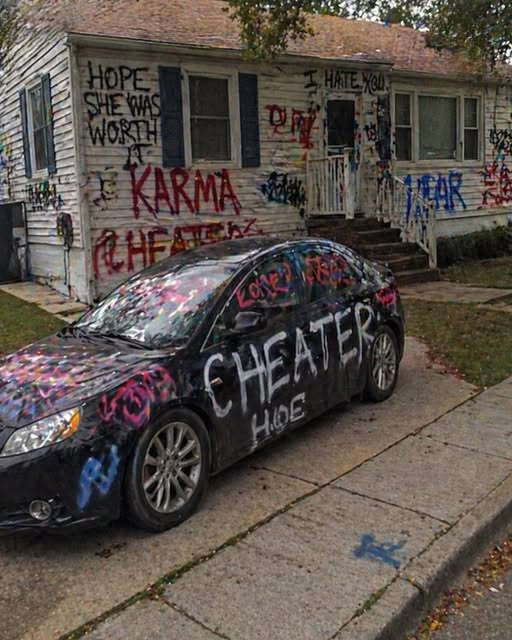
Chace just wanted calm after a painful divorce from Jessica, but one cruel act turned his quiet afternoon into a public disaster. What she didn’t realize was that her own actions would expose her before she could even shift the blame onto him.
The divorce had been ugly, but I kept telling myself it was finally behind me.
At 35, I felt worn down to the bone. For a year, I woke up every morning with dread, expecting another argument, another message, another legal demand waiting for me. Jessica, once sharp but familiar in her ways, had become someone unrecognizable during the breakup.
When it was finally over, I didn’t feel victorious. Just empty.
Our lives had been split into legal documents and separate accounts, leaving only silence where constant conflict used to be. Strangely, that silence didn’t frighten me—it felt like relief.
I could finally exist without her voice tearing through my day or waking up at night to more emotional battles. I just wanted peace, a reset.
But she had other plans.
That afternoon, I left work early after finishing ahead of schedule, looking forward to a quiet evening—simple things like takeout or finally unpacking boxes. Normal life felt precious again.
But as I turned onto my street, something felt off.
Neighbors stood outside whispering. Some avoided my gaze. My stomach tightened as I parked and saw why: my driveway was blocked from view.
My car was completely vandalized—covered in spray paint, every surface filled with harsh words and accusations, as if our worst arguments had been splashed across the metal for everyone to see.
And it didn’t stop there.
My house was marked too. The same angry messages covered the walls, turning my home into a public display of resentment.
For a moment, I just froze. I had been warned not to react, to stay calm, but seeing my private life turned into public humiliation broke something in me.
A neighbor admitted she had arrived an hour earlier, openly spray-painting everything while yelling. She hadn’t even tried to hide it.
I stood there overwhelmed—angry, exhausted, and strangely not even surprised. Somewhere deep down, I knew she was capable of it.
I took photos, called my lawyer, and started documenting everything as instructed.
Then her name lit up my phone.
Jessica.
When I answered, she immediately screamed, accusing me of ruining her life and asking how I had done this to her.
I was stunned. She insisted I was behind everything, but I told her clearly: she was the one who vandalized my home, and witnesses saw it.
Then her tone shifted—panic breaking through. She admitted the police were already involved, that someone had reported her, and that footage existed of her at my house. On top of that, damage from spilled paint had caused trouble at her apartment building.
For a moment, everything went quiet.
Not long after, I heard officers in the background telling her to step aside. Before she hung up, her voice cracked—she said she hadn’t expected things to get this bad.
Later, I learned neighbors had captured everything on video. The footage led police directly to her, thanks in part to a trail of spilled paint she left behind.
I pressed charges—not out of revenge, but because I finally stopped excusing harm just because it came from someone I once loved.
Within a week, repairs were underway. My house was cleaned, my car restored, and life slowly returned to normal. Jessica faced legal consequences, including fines and mandatory anger management.
I never felt triumphant. Just steady.
One night, sitting outside in the quiet, I realized peace doesn’t always come from forgiveness or closure. Sometimes it comes when you stop standing in the way of someone else facing what they’ve done.
And maybe the real question is this: when someone tries to destroy your peace, do you get pulled back into their chaos—or finally choose to let truth and consequences do the talking?