
1. Introduction
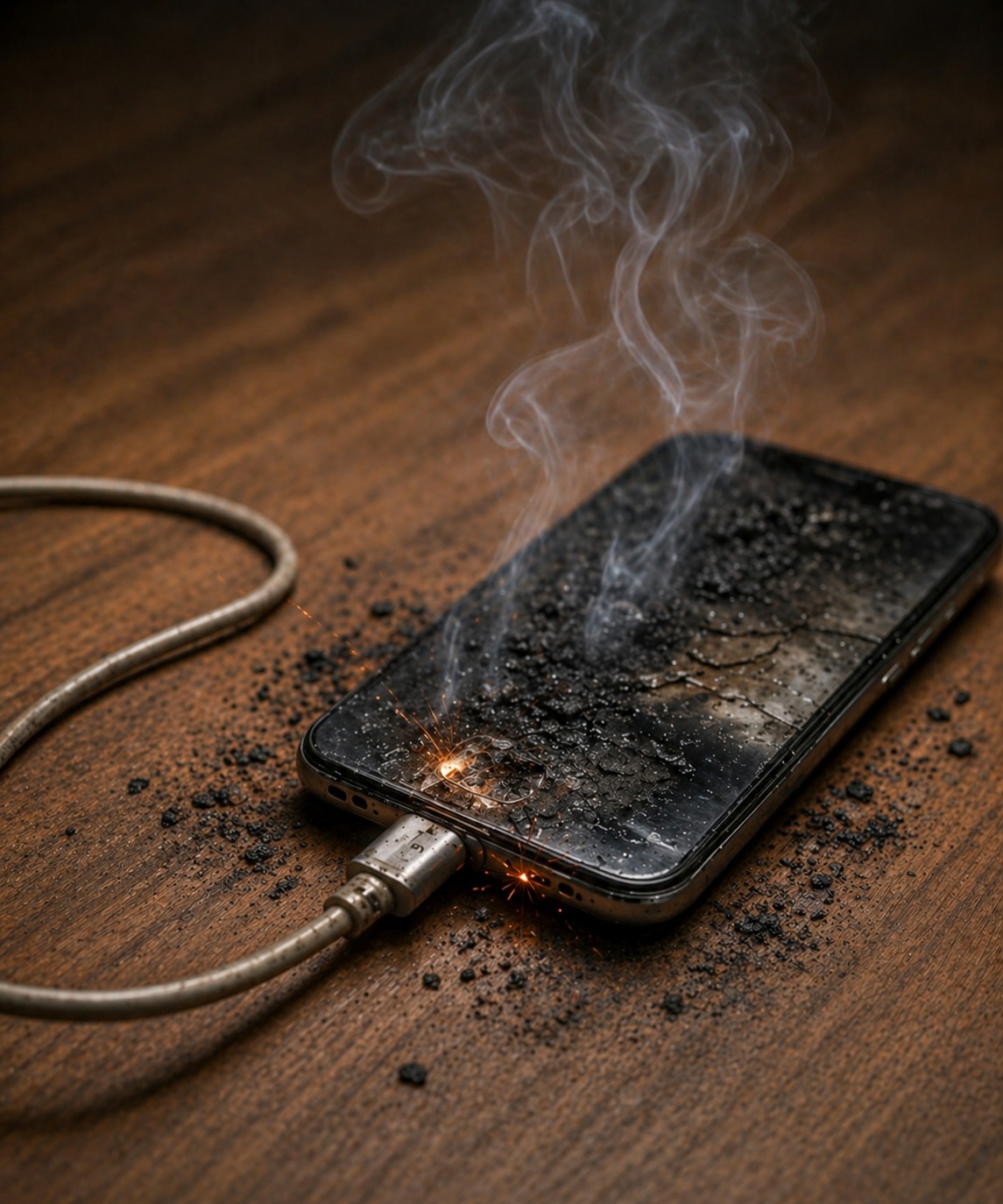
Chargers are a part of everyday life, powering our phones, laptops, and other devices. But using them the wrong way can be risky. Small habits like using poor-quality cables or careless charging can cause overheating, damage, or even fire hazards.
2. Risks of Low-Quality Chargers
Cheap or fake chargers often don’t meet safety standards. They may fail to control voltage properly, which can overheat or harm your device. Certified chargers include built-in protections that make them a much safer option.
3. Dangers of Damaged Cables
Frayed or worn cables are often ignored, but they can be dangerous. Exposed wires or loose connections may cause sparks or short circuits. Using damaged chargers increases the chance of accidents, so replacing them early is important.
4. Unsafe Charging Habits
How you charge your devices matters. Leaving them plugged in overnight or placing them on soft surfaces like beds can trap heat and lead to overheating. It’s safer to charge on flat, hard surfaces with proper ventilation.
5. Electrical Outlet Safety
Outlets also play a big role in safety. Overloading sockets or using faulty extension cords can cause overheating. Old or loose wiring can add extra risk. Surge protectors and proper maintenance help reduce these dangers.
6. Simple Safety Tips
To stay safe:
- Use certified chargers and cables
- Replace damaged items immediately
- Avoid overcharging devices
- Unplug chargers when not in use
- Keep them away from water and heat
7. Conclusion
Charging devices safely is more important than it seems. Small mistakes can lead to serious risks. By using quality equipment and safe habits, you protect your devices, your home, and your family.