
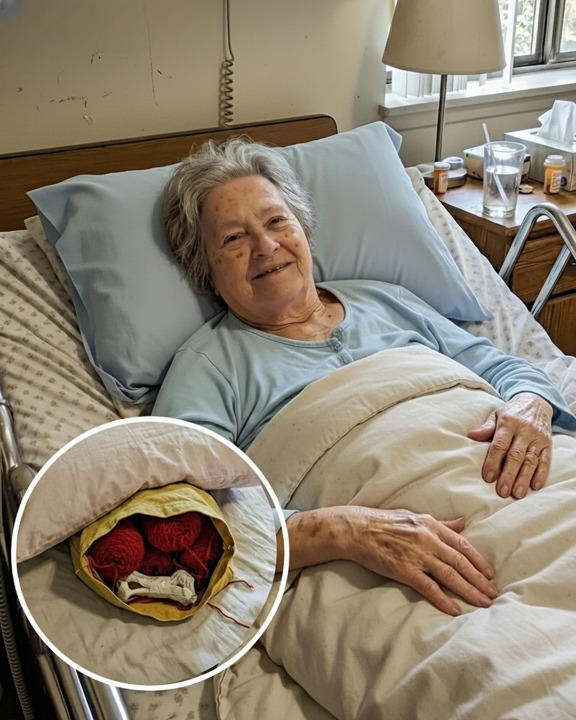
I supported my stepmother with $2,500 a month for assisted living, working myself to exhaustion because she had always been there for me after my father remarried her. I never once questioned it—until I arrived at her facility unexpectedly one afternoon and overheard something that left me completely shaken.
I’m 40, and the woman I call Mom isn’t my biological mother. My real mother died when I was eight, and my father later married Linda.
She never tried to replace my mother. She never forced me to call her Mom or overstepped her place. She simply stayed—steady, present, and kind—until, without realizing it, she became my mother in every way that mattered.
After my father passed away two years ago, it was just the two of us.
I wish grief had made me more present or more attentive, but I was overwhelmed—working long hours, buried in debt, and barely keeping up with life. Linda’s health began to decline, and she eventually chose assisted living. She told me she had a reduced “legacy” rate, and that her monthly cost would be $2,500.
She insisted on handling payments through herself, saying the facility’s billing system was complicated, so I trusted her. Every month, I handed her a check.
I visited when I could—never as much as I should have—but I believed I was doing my part.
Until the day I arrived early.
I overheard Linda casually telling another resident that I wasn’t actually paying for her care in the way I believed—that I thought I was covering her stay, and that belief was the only reason I came consistently.
I froze in the hallway, stunned and confused. When I finally confronted her, she admitted the truth: I wasn’t paying her facility directly at all.
Instead, every check I had given her had been placed into a separate account. She had never needed it for her care. She had been saving and investing it.
She explained through tears that she hadn’t been trying to steal from me—but that she was afraid I would drift away if there was no reason binding me to regular visits. She didn’t want my money as much as she wanted my time, and she believed this was the only way to keep me close after my father’s death.
Inside her things, I found the records—every payment tracked, untouched by living expenses.
I was furious. I told her plainly that what she had done was deceptive, unfair, and financially damaging. She didn’t deny it. She only said she had been lonely and afraid of being gradually forgotten, and that she had handled it in the worst possible way.
What broke me wasn’t just the lie—it was realizing it came from fear of losing me, not greed.
We sat in silence for a long time after that.
Eventually, I told her I was still angry, and that I didn’t know how quickly I could move past it—but I also told her she was still my mother in every way that mattered, because she had raised me through most of my life.
She cried. I cried. And for the first time since my father died, we were honest with each other.
I don’t excuse what she did. But I understand it came from a place of fear—fear that I would stop showing up, and she would have to live with that loss in advance.