
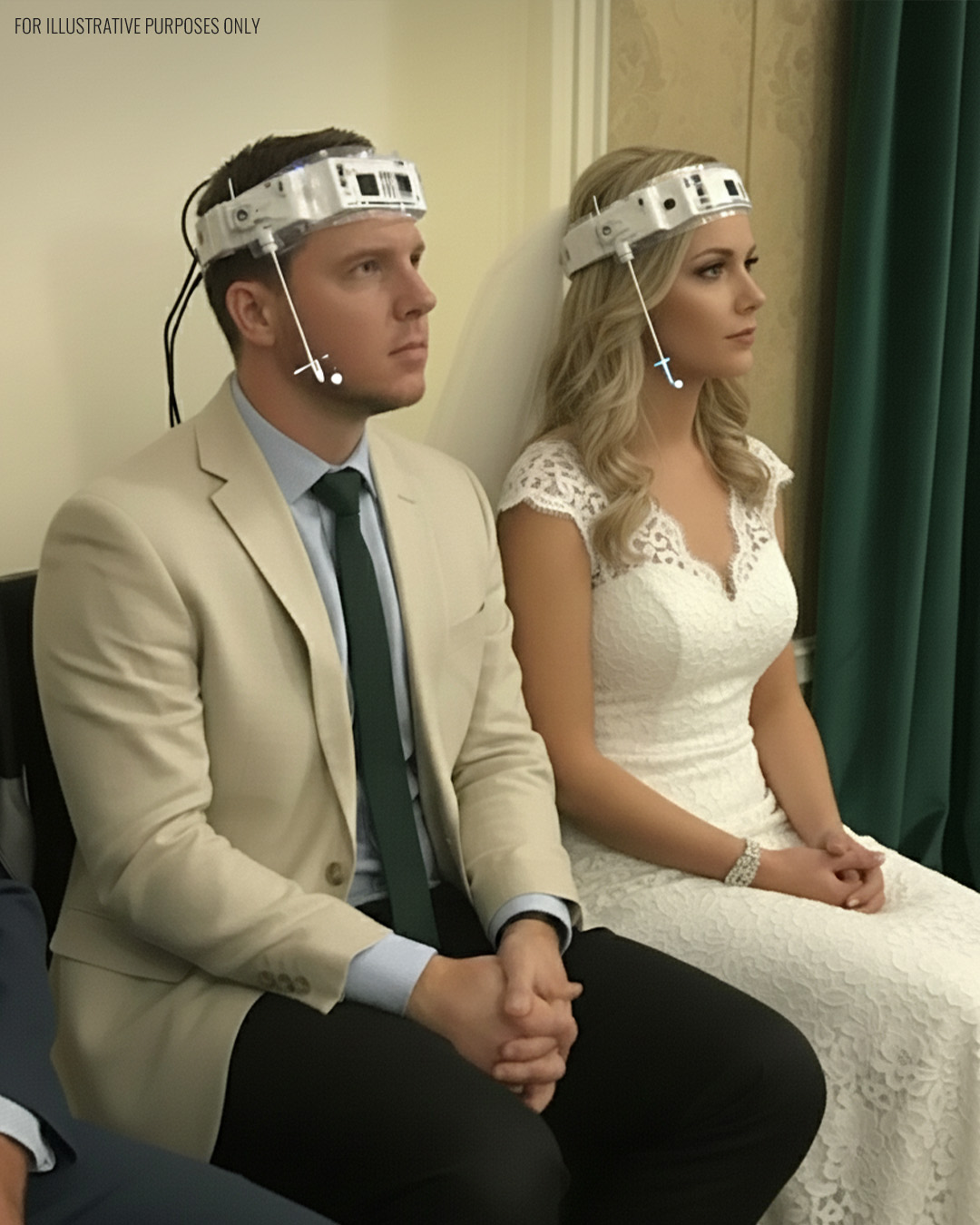
I always believed my wedding would be one of the happiest days of my life. Instead, it became something I’ll never forget for all the wrong reasons. Everything started when my sister decided to bring a lie detector test to the ceremony.
My name is Harlene, I’m 28 and a teacher, and until that day I truly thought I had a stable, loving life. My fiancé Mark and I had spent five years building a future together—full of laughter, shared dreams, and trust. Or so I believed, until my sister Melissa turned our wedding into chaos.
Mark and I met through a friend five years earlier, and from the moment we connected, it felt effortless, like we’d known each other forever. He was kind, thoughtful, and always considerate of others. I admired how he treated everyone with respect and never hesitated to help people in need.
We quickly became inseparable—weekend dinners, lazy movie nights, and endless conversations about our future. He’d joke that I kept him alive with my cooking, and I’d laugh as he finished every bite on his plate.
He worked as a software developer, often late into the night, while I taught at a school and loved every moment with my students. Life felt balanced, peaceful, and full of promise.
When we decided to get married, we wanted it to be joyful and memorable. We even planned interactive games for our guests—something fun and lighthearted so everyone could enjoy the celebration.
We asked Melissa for ideas, but she barely seemed interested. Still, we trusted her to be part of the day.
As the wedding approached, everything seemed perfect. Mark paid attention to every detail, and I felt certain we were stepping into the happiest chapter of our lives.
On the wedding day, the atmosphere was beautiful—until Melissa suddenly grabbed the microphone.
She announced she had a “surprise game” for us and rolled out a lie detector machine. She insisted it would be entertaining, and Mark, trying to keep things light, agreed.
At first, the questions were harmless and funny, and the guests laughed along. But then an unexpected question shattered the mood—Mark was asked directly if he had ever cheated on me.
The tension in the room shifted instantly. Mark refused to answer at first, becoming defensive, but after pressure from the crowd and me, he finally denied it. However, the lie detector indicated deception.
The room erupted in shock.
Then came a second question, and again, the machine suggested he was lying.
My heart sank as I asked who it was. When I finally pointed out Melissa, everything collapsed.
Mark admitted the truth: he had been involved with my sister.
The confession left the room in stunned silence. Then my uncle revealed he had seen them together before, confirming suspicions he had kept to himself.
Melissa broke down, unable to explain herself, while Mark called it a “mistake.” But to me, it was a deliberate betrayal.
In that moment, everything I thought I had—my relationship, my trust, my future—fell apart completely.
I removed the lie detector wires, left the ceremony, and walked away from the wedding and the people I thought I knew best.
Some betrayals don’t just break trust—they end entire futures.