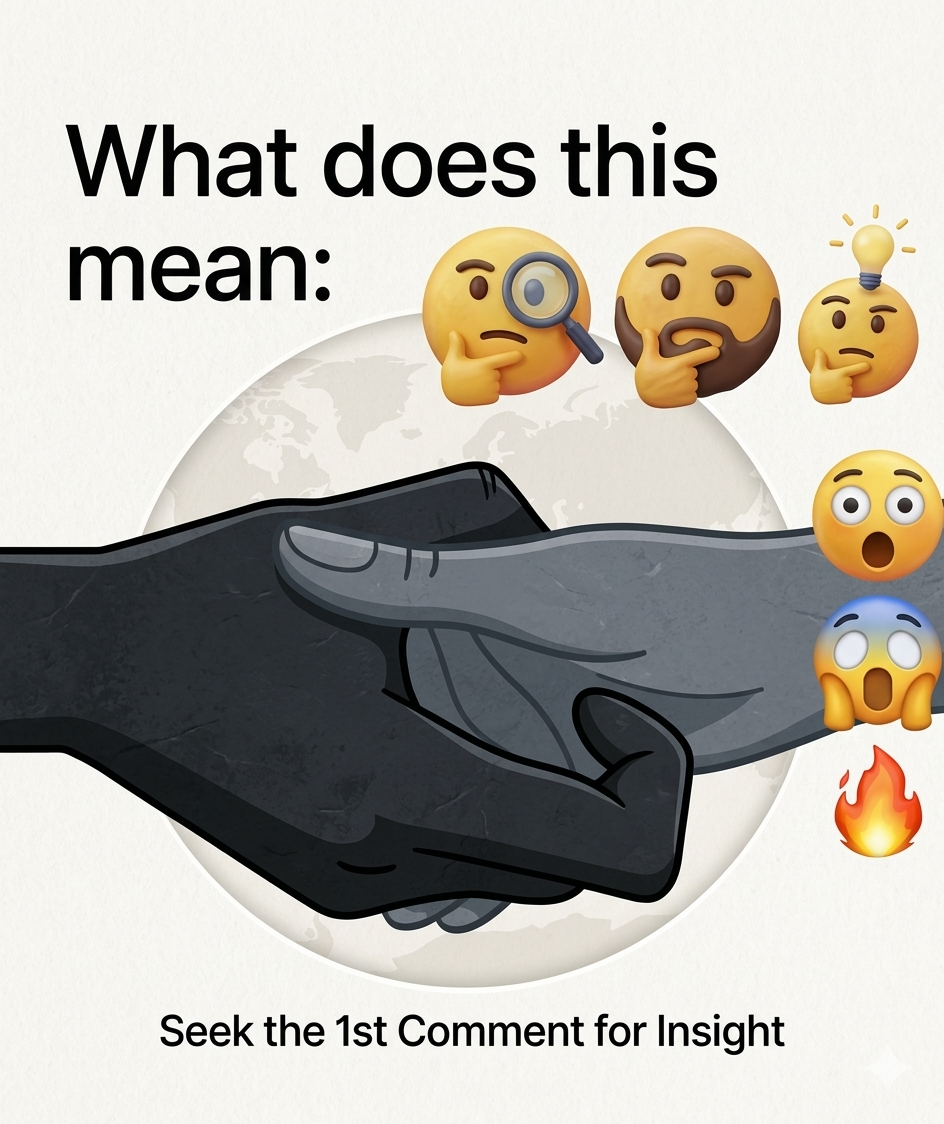
Human communication is a complex landscape where words often take a backseat to the silent signals of the body. Among these subtle cues, the “palm scratch”—a brief, almost imperceptible brush of fingernails against someone’s palm during a handshake—remains one of the most mysterious. To an outsider, a handshake is merely a polite greeting, but when paired with a deliberate scratch, it transforms into something far more intriguing. Its meaning is fluid, shaped by culture, social context, and the personal history between the individuals. Is it a flirtatious signal, a nod to secret societies, or just a quirky habit?
Understanding the palm scratch begins with the handshake itself. Historically, offering a hand was a gesture of peace, showing you were unarmed. Over time, handshakes evolved into a formal greeting, but subcultures and exclusive groups developed “coded” handshakes to signal insider status. In this light, the palm scratch could be seen as a modern, subtle variation—a quiet acknowledgment of connection within a specific group.
In everyday contexts, the palm scratch is often interpreted as a sign of romantic interest. The palm is highly sensitive, packed with nerve endings, and a gentle scratch during a handshake can bypass formalities and create an intimate, low-risk test of attraction. A positive response—smile, reciprocal touch—signals mutual interest, while a confused or withdrawn reaction allows the gesture to be dismissed as accidental.
The psychological effect of the palm scratch is significant. Its unexpectedness creates a “micro-moment” of heightened awareness, sparking tension often read as chemistry. It mimics affectionate, intimate touch, conveying closeness without words. Yet not every scratch is flirtatious; culture heavily influences interpretation. In high-contact societies, it may be playful and meaningless, while in low-contact cultures, it may feel intrusive. The recipient’s perception is as important as the sender’s intent.
There’s also the possibility of an accidental scratch. Handshakes involve complex interactions of bone, muscle, and skin, and sometimes a brief scratch is simply a physical slip. Overanalyzing such gestures can lead to false conclusions, especially in a world obsessed with decoding body language.
The key to interpreting a palm scratch lies in context. If it comes with prolonged eye contact, leaning in, and a genuine smile, romantic intent is more likely. If paired with avoidance, distraction, or stiffness, it’s probably accidental or habitual. The setting—a business meeting versus a quiet social encounter—also changes the meaning.
Ultimately, the palm scratch is a fascinating example of how subtle touch conveys unspoken messages. It blends public ritual with private communication, whether signaling belonging, attraction, or simply a quirk. In an increasingly digital world, such fleeting, tactile interactions remind us of the richness of human connection. Small gestures can leave a lasting impression, and the palm scratch proves that even the briefest touch can speak volumes about human sociality.