
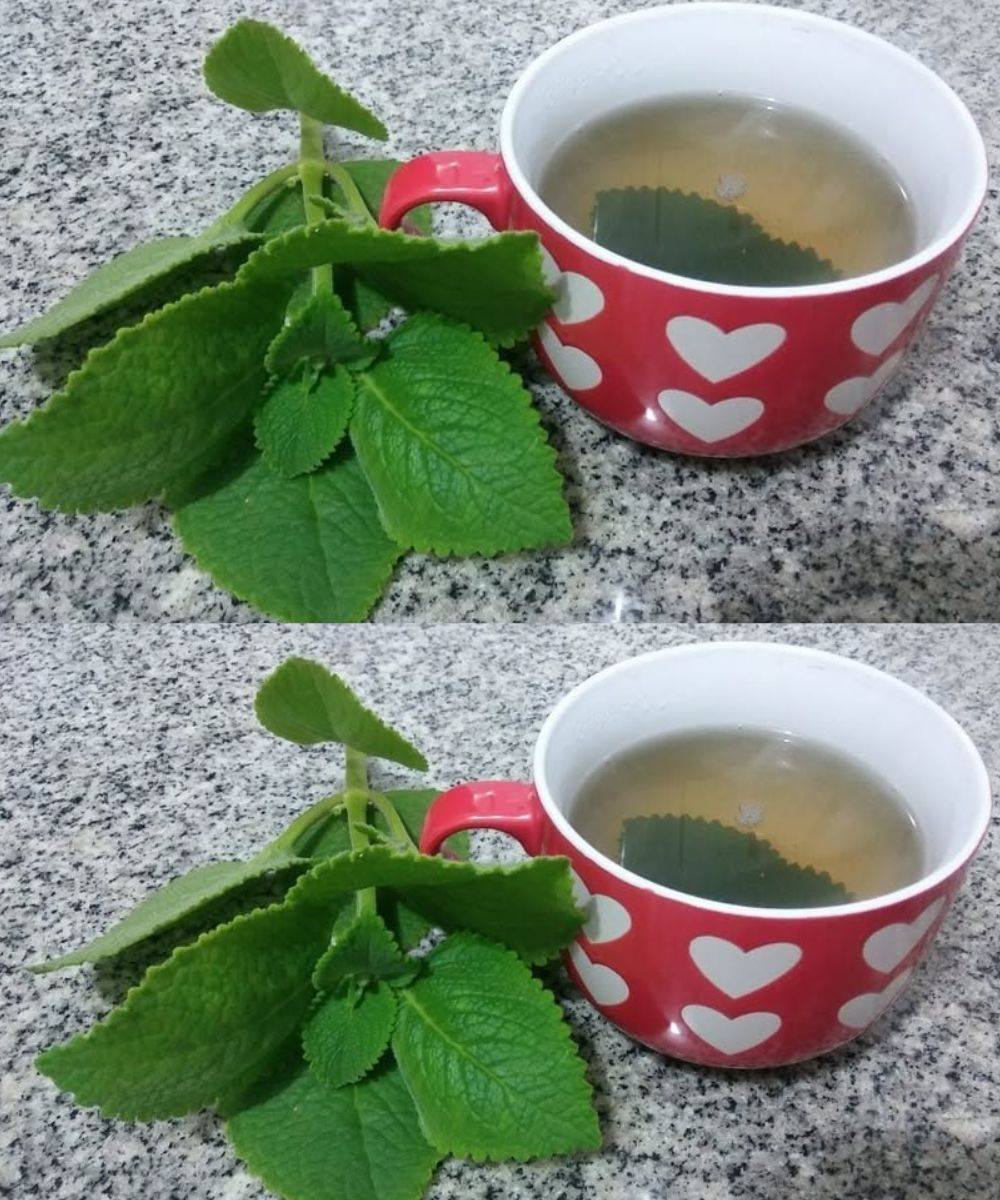
As we age, even small changes in daily routines can noticeably impact how we feel. While no single herb can work miracles, some natural ingredients have been researched for their potential health benefits. One standout is oregano — a fragrant Mediterranean herb that goes far beyond seasoning pizza and pasta.
For seniors interested in supporting their health naturally, here are five reasons to consider making oregano a regular part of your meals:
1. Packed with Antioxidants
Oregano is rich in antioxidants, including compounds like carvacrol and thymol. These substances help protect the body from oxidative stress, a process linked to aging and chronic diseases.
As we grow older, our bodies become less effective at combating free radicals. Adding antioxidant-rich foods like oregano to your diet may help protect cells and tissues over time. Fresh or dried oregano, or even a cup of oregano tea, can be an easy way to boost your antioxidant intake.
2. May Promote Heart Health
Heart health becomes increasingly important after age 60. While oregano isn’t a replacement for medical care, research suggests its natural compounds could support healthy cholesterol levels and circulation.
Oregano contains plant-based nutrients that may help reduce inflammation, a major factor in cardiovascular issues. Used alongside a balanced diet rich in vegetables, lean protein, and healthy fats, oregano can complement a heart-conscious lifestyle. Always check with your doctor if you have heart conditions or take medication, but using oregano as a seasoning is generally safe.
3. Supports the Immune System
Aging naturally weakens the immune system. Oregano has long been valued for its antimicrobial and immune-supporting properties.
Carvacrol, a key compound in oregano, has been studied for its ability to fight certain bacteria and support the body’s defenses. While oregano alone won’t prevent illness, incorporating it into meals may help boost overall immune resilience. Many seniors enjoy a warm cup of oregano tea during cold season.
4. May Aid Digestion
Digestive issues like bloating, gas, or slower digestion become more common with age. Oregano has been used traditionally to support digestive health.
The herb may help stimulate digestive enzymes and promote smoother digestion. Its mild antimicrobial properties may also support gut balance. Sprinkling oregano over soups, salads, or roasted vegetables is a simple way to enjoy these benefits.
5. Helps Manage Inflammation
Chronic low-level inflammation can contribute to joint discomfort and stiffness in older adults. Oregano contains natural anti-inflammatory compounds that may help support healthy inflammation levels.
While it’s not a replacement for prescribed medications, combining oregano with other anti-inflammatory foods like turmeric, garlic, and olive oil can support joint comfort and mobility. Consistent small amounts are more effective than occasional large doses.
Easy Ways to Include Oregano in Your Diet
You don’t need much to reap its benefits. Try:
-
Sprinkling dried oregano over eggs or avocado toast
-
Adding fresh oregano leaves to salads or dressings
-
Brewing oregano tea with hot water and a lemon slice
-
Mixing oregano into soups, sauces, or marinades
-
Combining with olive oil as a dip for whole-grain bread
A Final Note
Oregano is a flavorful herb with promising health-supportive properties, but it isn’t a cure-all. Seniors taking medications like blood thinners or blood sugar treatments should consult their healthcare provider before making significant dietary changes, particularly if considering concentrated oregano oil supplements.
As part of a balanced diet, oregano is an easy and affordable way to support overall wellness. Sometimes, the simplest ingredients in your kitchen can quietly contribute to a healthier life — one meal at a time.