
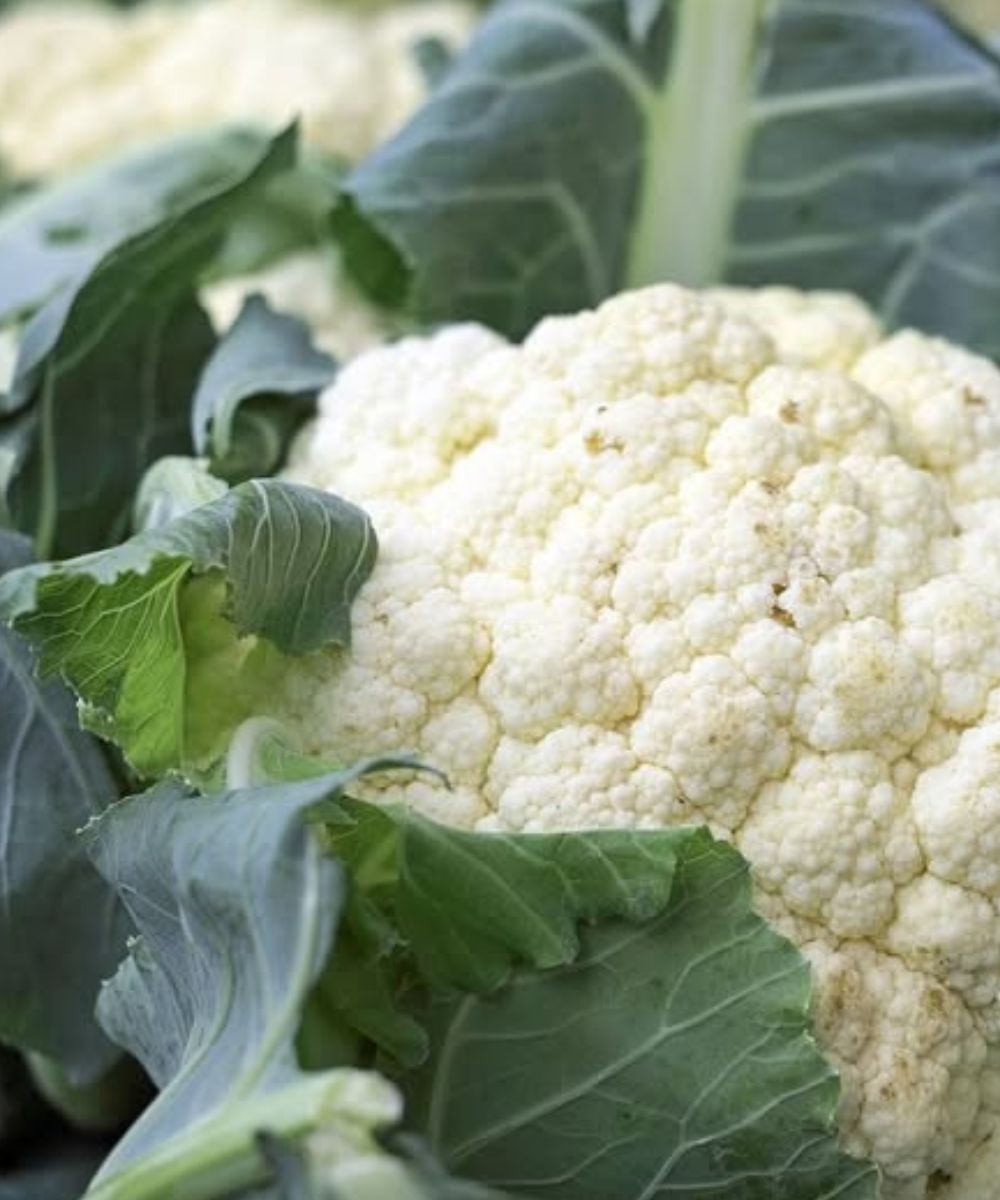
Who Needs to Be Careful When Eating Cauliflower? 🥦
Cauliflower is often hailed as a super-healthy veggie—packed with vitamins, fiber, and antioxidants. As a member of the cruciferous family (think broccoli, kale, cabbage), it can support digestion, immunity, and heart health. 💪❤️
But here’s the catch: it’s not ideal for everyone. Some people may need to watch their cauliflower intake to avoid unwanted side effects.
⚠️ Who should be cautious?
1. People with sensitive digestion
Cauliflower has FODMAPs and raffinose, which can cause bloating, gas, or cramps—especially for those with IBS. Cooking it can make it easier to digest.
2. Those with thyroid issues
Raw cauliflower contains goitrogens, which may affect iodine uptake. If you have hypothyroidism or iodine deficiency, limit raw intake or cook it to reduce these effects.
3. People on blood thinners
Cauliflower is high in vitamin K, which can interfere with medications like warfarin. Consistency is key, so consult your doctor before making big changes.
4. Individuals prone to kidney stones
Cauliflower contains oxalates that may contribute to kidney stones in susceptible people. Drink plenty of water and monitor your intake.
5. Anyone sensitive to gas-producing foods
Its fiber and sulfur compounds can increase gas. Introduce it gradually, cook it, and pair with easy-to-digest foods.
✅ Bottom line: Cauliflower is a powerhouse veggie for most people, but if you fall into any of the groups above, moderation and cooking can help you enjoy it safely.