
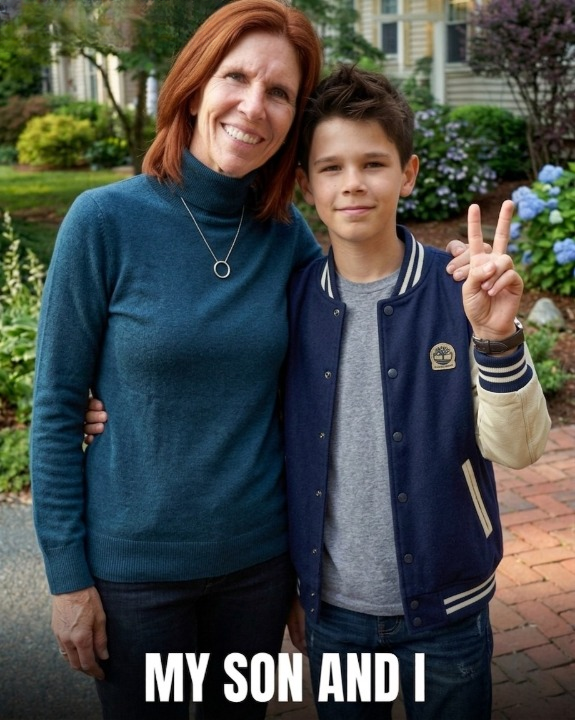
“I Raised My Grandson as My Own… Then My Estranged Daughter Returned and Said: ‘Give Him Back’”
I raised my grandson as if he were my own child—not because I had to, but because there was no one else who would. Over time, what began as responsibility turned into the center of my entire life.
It all began when my daughter, Jenny, came home at seventeen, overwhelmed and in tears, unable to cope with her pregnancy. The father was gone, leaving her alone and frightened. Still a child herself, she didn’t feel ready to become a mother.
I should have told her she had a choice. Instead, I told her she wasn’t alone.
When her son was born, she held him briefly before placing him in my arms, and from that moment, I became his primary caregiver. I handled everything—sleepless nights, doctor visits, school routines, and everyday care—until he began calling me “Mom” without hesitation.
Jenny gradually disappeared from our lives, and I told myself she was simply trying to figure things out. Thirteen years passed.
Then everything changed when a family inheritance left my grandson with unexpected wealth. Soon after, Jenny reappeared at my door.
At first, I was relieved to see her. But that feeling quickly vanished when she said, “Give me my child back.”
She insisted that Sam was hers and demanded her rights as his mother, despite having been absent for over a decade. Sam overheard the conversation and immediately turned to me, unsure who she was.
A custody battle followed, reducing years of shared life to legal arguments and paperwork. Though Jenny had biological claims, I had been the one who raised him, protected him, and never left.
The situation escalated until the final hearing, where Sam stood and spoke for himself. He made it clear that the only mother he recognized was the one who had been there for him all along.
The court ruled in my favor.
Afterward, Jenny admitted she had made mistakes and had run from responsibility. She no longer fought for custody but slowly began trying to rebuild a presence in his life.
Sam didn’t forget the past, but he also didn’t reject the possibility of change. Over time, he came to understand that family isn’t defined only by blood or legal rights, but by consistency, care, and who chooses to stay.
In the end, what mattered most wasn’t who arrived first—but who never left.