
A struggling single mother who could barely keep her life together assumed a costly brake repair would be one more financial hit she couldn’t handle. Instead, what happened at a small-town auto shop revealed a story of grief, memory, and unexpected compassion that changed her perspective on kindness forever.
She relied heavily on her minivan to manage everything—school runs, work shifts, errands, medical visits, and emergencies with her two children. When the brakes began to grind dangerously, she tried to ignore it at first, hoping she could delay the inevitable expense. But the problem quickly worsened, and she realized she couldn’t risk driving any longer.
With barely any money left after rent and bills, she brought the van to a local repair shop, expecting bad news and another debt she couldn’t afford. A quiet, older mechanic examined the vehicle and told her to leave it with him, offering no estimate. Hours later, the shop called to say the van was ready—but when she arrived, she was told she owed nothing.
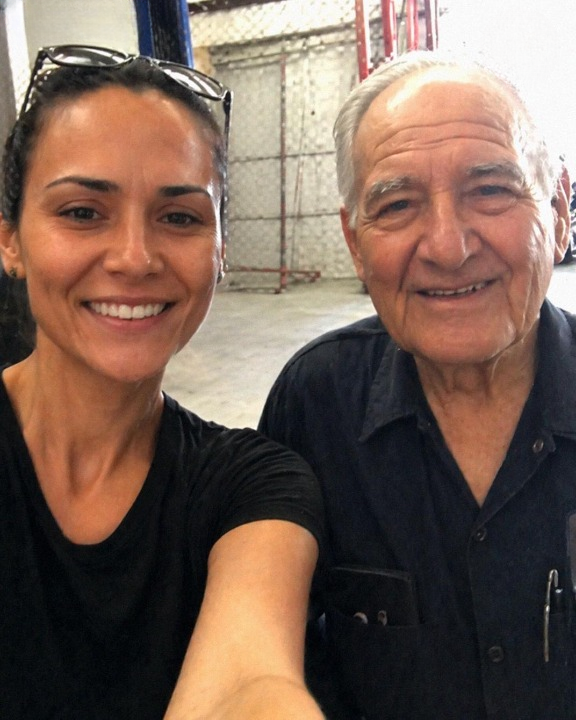
Confused, she asked who had paid. Her attention was directed to the mechanic who had worked on her car, a man named Ray. When she approached him for answers, his composure broke, and he revealed the truth: she reminded him of his late daughter.
Ray explained that his daughter had been a single mother too, constantly overwhelmed and postponing car repairs because of money troubles. She had died in a road accident after ignoring brake issues she couldn’t afford to fix. The guilt of possibly not doing enough for her had stayed with him ever since.
Seeing the woman at his shop, exhausted and struggling in the same way his daughter once had, stirred something in him. Fixing her brakes for free wasn’t just charity—it was his way of coping with a loss he could never undo.
The woman listened, deeply moved, realizing she had received more than just a repaired vehicle. She had been given an act of care rooted in grief and love that still lingered.
From that moment on, the two remained connected. Small gestures grew into an unexpected bond—shared kindness, occasional visits, and mutual support that gradually became part of both their lives. Over time, Ray found a sense of purpose again, and she found not only help, but a reminder that compassion often comes from the deepest places of loss.
In the end, the repaired brakes weren’t the only thing that carried her forward. So did the reminder that sometimes people help us not just for who we are, but because we remind them of someone they never stopped loving.