
At 55, I thought my life was steady—married for 28 years, kids raised, a stable career. I didn’t expect surprises anymore. Then a single discovery turned my world upside down and led me straight to a secret about my marriage I never could have imagined.
My name is Madison. Life had been predictable, even dull, but I was okay with that. Then, two weeks ago, my company downsized. After two decades of dedication, I was handed a severance and a polite smile from someone half my age.
I came home hollow. Richard, my husband, said it might be a blessing—a chance to rest. But “rest” wasn’t what I felt. I was untethered, invisible, and unsure of what to do with all that empty time. So I cleaned. Anything to keep moving and avoid thinking too much.
That’s how I ended up in the attic, a space ignored for years, filled with dusty bins and forgotten boxes. Among them, I noticed a small box hidden behind insulation, sealed carefully. Something about it seemed deliberate. On top sat a manila folder. My heart raced when I saw my husband’s full name—and an unfamiliar address.
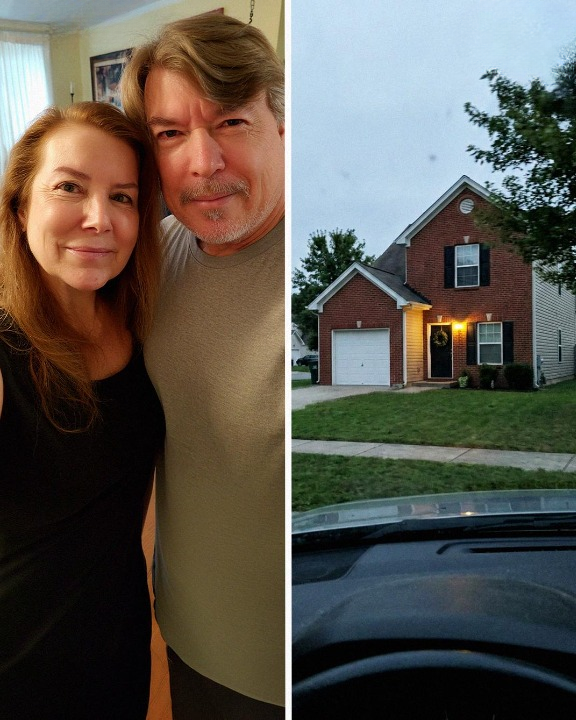
Inside were deeds, mortgage papers, and dates—proof that Richard had purchased a house 23 years ago, five years into our marriage. My hands went numb. We only had one home—the one we built together. So why was his name tied to another?
Calls and texts went unanswered. Finally, I drove across town to the property. The modest house looked lived-in, welcoming even. I knocked, and a calm, elderly woman opened the door. She introduced herself as Elaine—Richard’s mother.
Elaine explained that the house wasn’t a secret affair—it was a contingency plan. Richard had convinced her I wasn’t mentally stable, exaggerating my anxieties and minor health concerns. The home and trust documents were in place to protect him if he believed I became “unfit.”
I left, shaken but determined. Over the next days, I quietly prepared my own plan. I met with a lawyer under the guise of updating my will, tracked my records, and documented everything—all without tipping Richard off.
Eventually, I confronted him—not with anger, but with proof. I slid my folder across the table. Evidence of his plan, carefully documented. I gave him two options: dissolve our marriage fairly, or face court exposure.
He chose silence. The trust was dismantled, the house sold, and Elaine even offered to testify on my behalf. Months later, we signed the final papers. Richard, once so commanding, looked smaller, humbled.
I didn’t feel victorious. I felt free. I had stopped trusting him—and finally chose myself.