
Some moments expose people for who they really are—whether you’re prepared for it or not. That night, my step-siblings made a choice that forced me to make one of my own, and it changed our family forever.
I never had a real bond with Alan and Daria. We were step-siblings on paper, but in reality, we just shared space and avoided each other. The only person who truly connected us was our grandmother, Rose. At 81, she was the heart of the family—kind, attentive, and always making sure everyone felt remembered and loved.
A few days before everything happened, Daria told me they were taking Grandma out for a seaside dinner. I thought it was a sweet gesture, even though something about their tone felt off. I couldn’t join because of work, so I let it go.
I shouldn’t have.
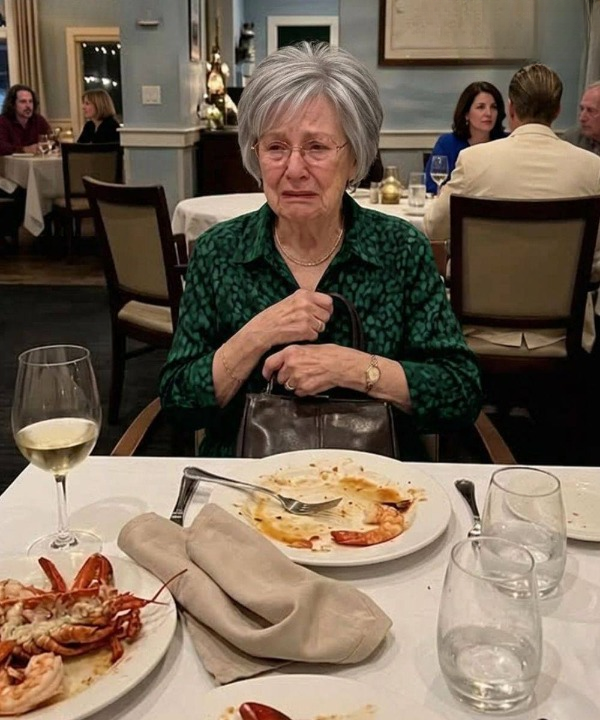
Midway through the day, my phone rang. It was Grandma. Her voice was shaky—she said Alan and Daria had stepped away “to the car” and never returned. Then she whispered that the bill was $412, and she couldn’t cover it.
I told her to stay put and went straight to the restaurant.
When I arrived, she was sitting there alone, embarrassed and confused. I paid immediately, but I asked for the itemized receipt. What I saw made everything clear—expensive meals, wine, and desserts ordered by Alan and Daria, while Grandma had barely touched anything.
I took her home, made sure she was okay, and told her not to worry about the money. Then I decided I wouldn’t let it end there.
I went to my step-siblings with the receipt and asked them directly why they had left her with the bill. They brushed it off—saying they were “coming back,” that it was “just food,” and “just money.”
That was all I needed to hear.
I didn’t argue. I left.
Instead, I shared the receipt in the family group chat with a simple message explaining what had happened. The reaction was immediate. Then other relatives started speaking up with their own stories of similar behavior, and a pattern quickly emerged.
I followed up with everything—proof, details, and even a recording of them dismissing it all as “just money.”
That changed everything.
The excuses stopped. The apologies started. And soon, they were forced to confront the consequences of what they’d done—not just to me, but to Grandma.
In the end, they paid what they owed, apologized, and even reached out to her directly.
When Grandma asked what I had done, I just told her I helped them understand.
And I kept that receipt. Just in case they ever need reminding again.