
The liver benefits from these 4 inexpensive foods that may help lower fat buildup and inflammation when included in a daily diet.
Many people focus on appearance or weight loss but overlook the liver, a key organ that affects overall health. When the liver functions well, energy levels improve, skin tends to look healthier, and hormonal balance is more stable. However, when it becomes overworked or fatty, it can lead to fatigue, dull skin, and faster signs of aging—even with otherwise healthy habits.
The encouraging part is that supporting liver health doesn’t require costly supplements. Everyday foods can make a meaningful difference.
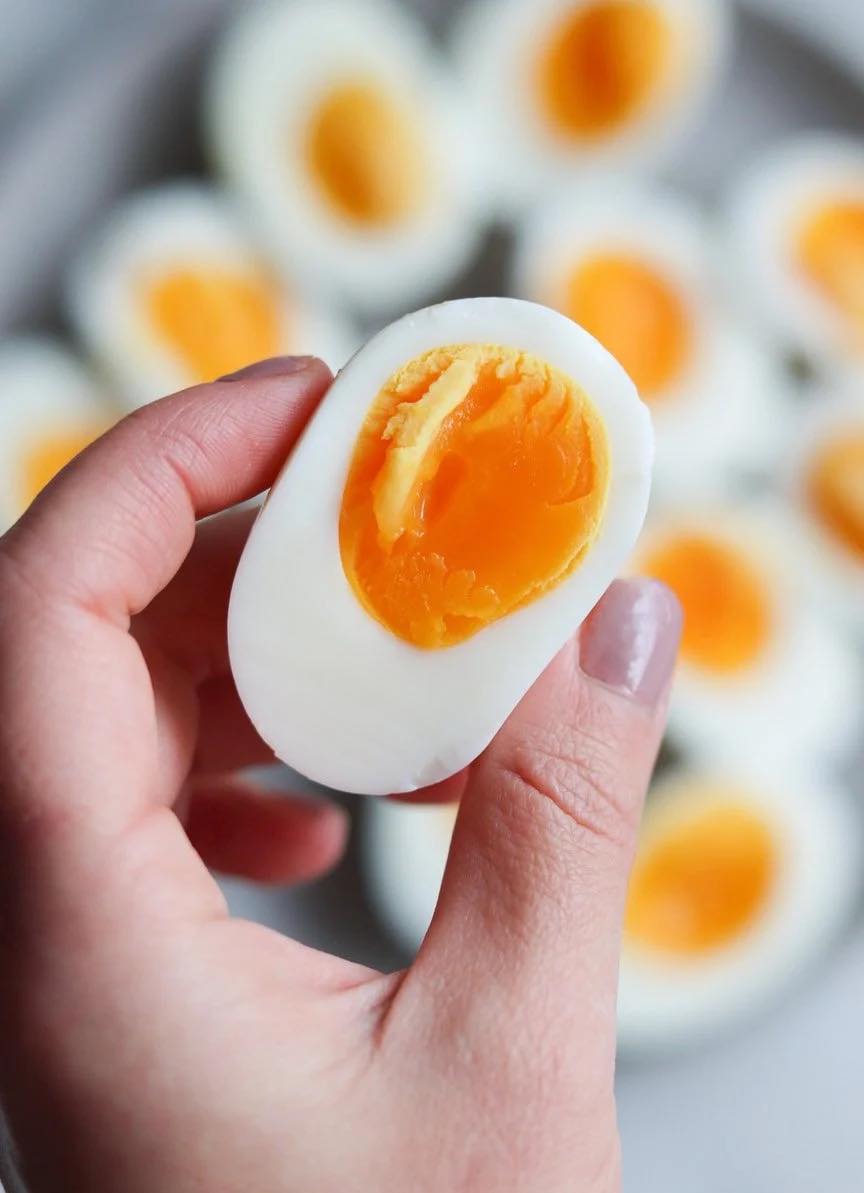
1. Eggs – Support fat metabolism in the liver
Eggs are a source of choline, a nutrient that helps the body process fats properly. Low choline intake can contribute to fat accumulation in the liver. They also provide high-quality protein, which supports the production of antioxidants that help protect and repair liver cells. When eaten appropriately, eggs can actually support liver function rather than harm it.
2. Cruciferous vegetables – Boost detox-related enzymes
Vegetables such as broccoli, cabbage, and kale contain natural compounds that encourage the liver to produce enzymes involved in processing toxins. This helps reduce the load caused by processed foods and environmental exposure. Light cooking methods like steaming are preferred to preserve nutrients.
3. Garlic – Assists the body’s natural cleansing processes
When crushed, garlic releases allicin, a compound that supports enzyme activity linked to detoxification. It also contains selenium, which helps protect liver cells from damage caused by toxins and heavy metals. Even small daily amounts can be beneficial.
4. Green tea – Helps reduce inflammation and fat accumulation
Green tea contains antioxidants like EGCG, which may help reduce inflammation and limit fat buildup in liver cells. Regular consumption can also support overall metabolic health and improve skin appearance over time.
However, diet alone is not enough. Liver health also depends on lifestyle habits such as reducing processed foods and sugar, maintaining a balanced diet, including omega-3 sources like fatty fish, and allowing periods of rest through mindful eating patterns.
In simple terms, the liver doesn’t require expensive treatments—it responds best to consistent, healthy daily habits. Over time, these small changes can lead to improved energy, clearer skin, and better overall well-being.