
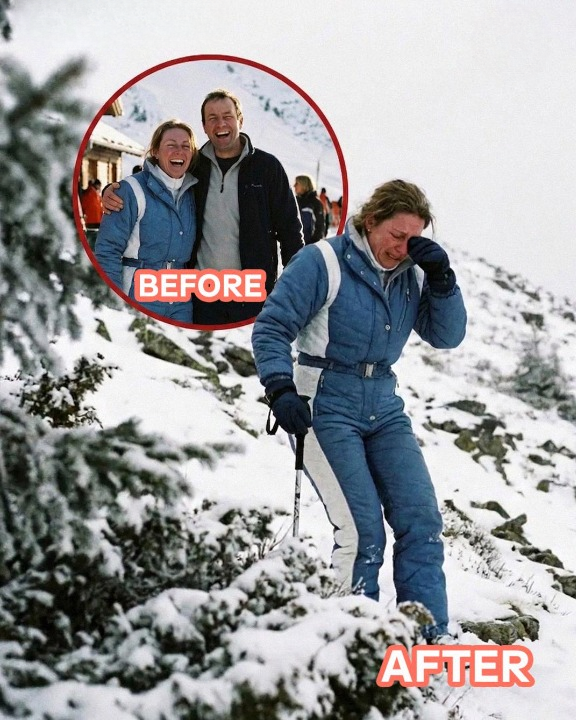
My husband told me a quiet weekend in the mountains would save our marriage—but I quickly realized he had brought me there for something far more unsettling.
Two weeks earlier, he came home unusually gentle, kissed my forehead, and suggested a “reset” trip. I wanted to believe him. When your marriage is already cracking, hope makes you overlook warning signs.
I agreed.
But when we arrived at the trailhead, the mood shifted. What he had called an easy, romantic hike turned out to be far more difficult than promised. Still, I followed him, trying not to turn every disagreement into another reason he’d say I was the problem.
As we climbed, he grew increasingly cold and dismissive. When I asked for water, he restricted it. When I struggled, he told me to “try faster.” Then I twisted my ankle badly on loose rock.
Instead of helping, he minimized it—insisting I could still walk and pushing me onward. Eventually, we reached an isolated overlook where his tone completely changed.
He told me I needed to “learn how to be a better wife” and framed the entire trip as a lesson. Then he packed up, left me supplies, and walked away—leaving me injured on the mountain.
Panic set in as I realized I was alone and unable to move properly. After a long struggle and hours of pain, two hikers found me and helped me reach a ranger station.
That’s where my husband reappeared, acting as if nothing had happened and claiming he had “waited for me.” But the hikers contradicted him—and one had recorded parts of the encounter.
A message on his phone suggested there was more going on than I had suspected for months, confirming my fears that the trip had not been about saving our marriage at all.
By the time authorities and witnesses were involved, his version of events fell apart. The ranger separated us, and I refused to return to him.
I left the lodge without him the next morning.
What he planned as a way to control and break me ended up exposing everything—and ending our marriage before the sun had even set.