
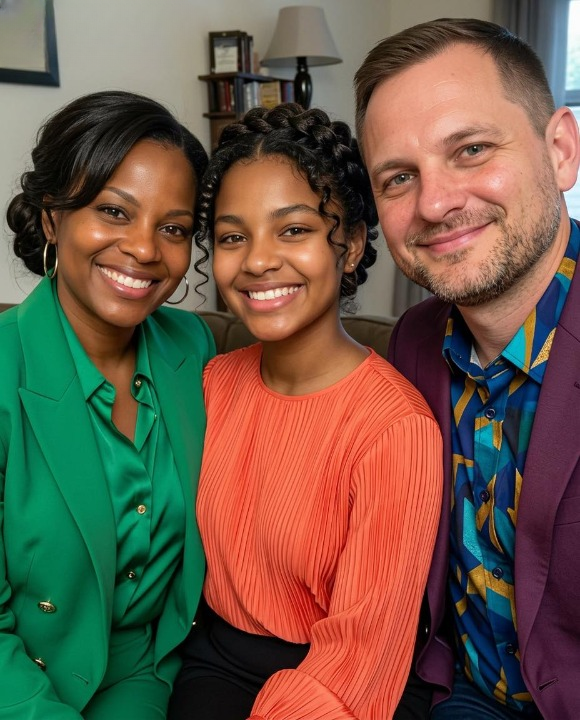
I overheard my 16-year-old daughter whisper to her stepfather, “Mom can’t know the truth—she must never find out.”
The next day, they claimed they were going out to buy a poster board, but I followed them. Instead of a store, they went to a hospital—and what I uncovered there forced me to face a decision I’d been avoiding for years.
My daughter, Avery, is sixteen—old enough to want privacy, but young enough that I believed I’d notice if something was wrong. Recently, she’d grown unusually quiet. Not typical teenage distance, but a guarded silence. She’d come home, disappear into her room, barely speak at dinner, and always insist she was “fine.”
One afternoon, I overheard her talking to my husband, Ryan. The moment she said I couldn’t know the truth, my stomach sank. They quickly brushed it off as a school project, smiling a little too easily. I pretended to accept it, but I couldn’t shake the feeling—and I barely slept that night.
The next day, Ryan said he was taking Avery out for supplies. Shortly after they left, I got a call from her school about unexplained absences—on days I thought she’d gone with him. That was enough for me. I grabbed my keys and followed them.
They didn’t go shopping. They drove straight to the hospital.
I watched as they bought flowers and went inside. Keeping my distance, I followed and saw them enter a room on the third floor. When they came out, Avery was in tears. I tried to go in, but a nurse stopped me.
The next day, they went again—and this time, I didn’t hesitate.
Inside that room was my ex-husband, David—frail, pale, connected to an IV. Ryan finally told me everything: David was dying. He had reached out, desperate to see Avery before it was too late. Avery had begged Ryan to keep it from me, afraid I wouldn’t allow it.
I was angry. David had abandoned us years ago. He hadn’t been there for his daughter then. But Avery wasn’t asking me to forgive him—she just wanted the chance to say goodbye.
That night, I realized this wasn’t about my hurt. It was about hers.
The next day, I went with them. I even brought a pie—David’s favorite. It wasn’t forgiveness, just honesty. I made it clear I was there for Avery, not for him.
In the weeks that followed, we went together. It wasn’t easy, and nothing felt fully healed. But Avery stopped hiding things. She smiled more. She slept better.
One night, she hugged me and whispered, “I’m glad you didn’t say no.”
Love doesn’t erase the past—but sometimes, it gives us the strength to face what comes next.