
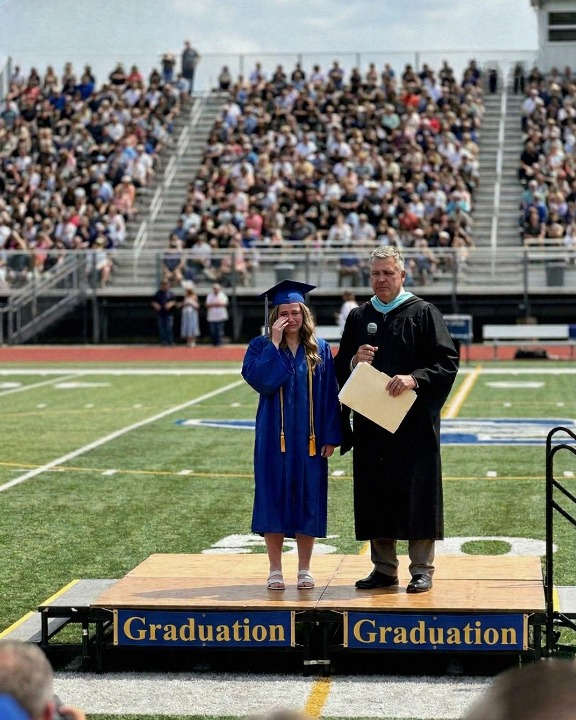
For 15 years, I’d followed every rule in the book. Then one student, Maya, missed her final exam—and I knew exactly why. I made a choice that could end my career, just to protect her future. Graduation revealed the true cost of that decision.
Years in the classroom teach you to read the things students never say. Maya wasn’t a student who needed reading—she came early, stayed focused, and her work reflected steady effort and thoughtfulness.
After her father passed away, a quiet change settled over her. She never complained, never let it show—but I saw it. One afternoon, she hesitated to tell me: if she didn’t pass, she’d be trapped with her stepmother forever.
Two weeks later, the day of the final exam arrived. Her seat remained empty. I searched, waited, then realized she had been deliberately kept home. Her stepmother had blocked her from taking the test.
That night, I reviewed Maya’s work—every assignment, test, and project over two years. Her consistent effort was undeniable. One missed exam shouldn’t erase everything she’d earned.
I entered her final grade based on her work, not the exam. I knew the risk—I could lose my job—but it was the right thing to do.
At graduation, when Maya’s name was called, the principal addressed the crowd: a grading discrepancy had been discovered. A video revealed what had happened—Maya had been kept home and denied her exam. Her stepmother’s control was exposed.
Maya received her passing grade and a scholarship recognizing her perseverance. My actions were formally warned but acknowledged as motivated by care, not negligence.
Two days later, Maya’s aunt came to take her in, giving her the family support she deserved. She left with hope, ready for a life that finally belonged to her.
Fifteen years of following rules perfectly ended that day—but I’ve made peace. Sometimes fairness isn’t about following rules blindly; it’s about standing up for the students who deserve better. Maya reminded me that doing the right thing is rarely the easy thing.