
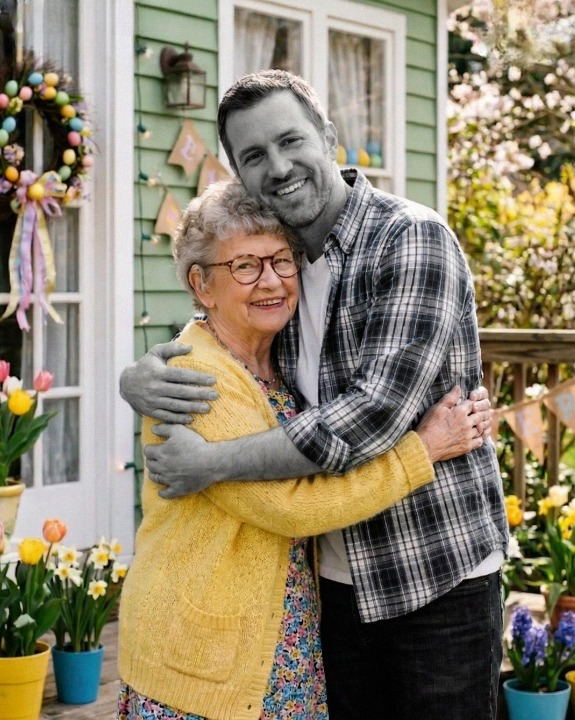
After my son passed away, I welcomed my daughter-in-law into my home—and watched everything I thought I had vanish. Grief has a way of showing you who really stands beside you, and sometimes the very walls around you hold secrets. I discovered that surviving can be the quietest kind of revenge.
I always thought the worst thing a mother could face was burying her child. I was wrong.
When Everett died at 49, my world blurred. The house I’d lived in for forty years, the one where my son grew up, became unbearable. Even the kettle’s whistle sounded lonely.
A week after the funeral, I stood at the kitchen window, watching the rain, with Lila beside me. Both of us in black, neither knowing how to be alone.
“You shouldn’t be by yourself, sweetheart,” I told her. “Stay here a while. We’ll be lonely together.”
Her voice cracked as she hugged me. “I can’t breathe in our bedroom. Not with Everett gone.”
So she moved in three days later. I washed sheets, laid out towels, set her favorite tea on the counter—hoping that somehow, we could grieve together.
But the house didn’t stay quiet for long.
One night, I heard a man’s laughter from the living room. It was Brock, Lila’s friend, wearing paint-stained jeans, helping himself to the pantry. He smiled politely, but my heart sank. Everett hadn’t been gone two weeks, and already strangers were taking over my home.
From that moment, everything changed. Lila stopped sharing meals with me, disappearing for hours into Everett’s office. Brock was there nearly every day, rearranging books, touching Everett’s things. When I asked about my son’s chess set, Brock shrugged. “Lila said it’s time to make space.”
The walls of my house changed. Burnt orange became lilac. My crocheted blankets vanished. Even Everett’s photo was boxed away. Neighbors whispered. The garden went untended.
Then came the paperwork. Lila convinced me to sign forms granting her control over my bills, my health decisions, my life. I didn’t remember signing, only that I trusted her.
A week later, two men arrived to pack my belongings. My decades of memories were stuffed into suitcases. I held Everett’s sweatshirt to my chest, whispering, “I just asked for my son back.”
The nursing home was spotless but alien. The staff was kind, but it was never home. I counted hours, waited for the world to feel familiar again, and missed my garden, my kitchen, my life.
Then the breakthrough came. Bank staff flagged Lila’s suspicious paperwork. Officer Reed came to investigate. He explained they needed access to my home security system. Together, we uncovered recordings of Lila and Brock plotting to take my house while I grieved.
“They took advantage of you, Martha,” Officer Reed said. “You did nothing wrong. We have enough evidence to stop them.”
A few days later, Lila was arrested, Brock caught in the act. Two weeks after that, Ruth, my neighbor, welcomed me back with flowers and a casserole. My home felt alive again. The garden responded to my presence. Sunlight filled the rooms.
Officer Reed confirmed the deed was officially restored to my name. I pressed my hand to the kitchen counter, tracing the groove where Everett carved his initials, finally letting myself breathe. I was home.