
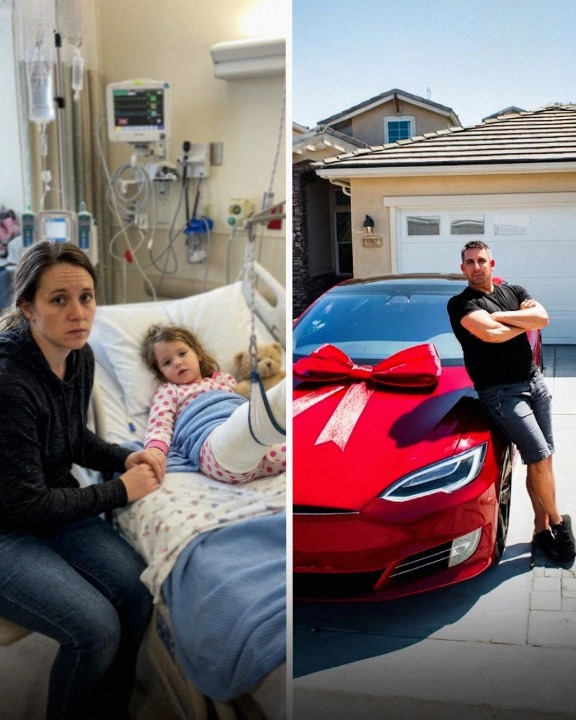
When my daughter needed surgery, I braced myself for the sky-high hospital bills—but I wasn’t prepared for her father’s choice, or the phone call I’d have to make because of it.
I was 24 when I fell in love with Derek. He was charming, ambitious, and full of promises. By 26, we had our daughter, Molly, and I believed we had a solid marriage.
A couple of years later, Derek got promoted to regional sales director. The job came with a raise, but also longer hours, frequent trips, and secretive behavior that slowly became impossible to ignore.
By the time I was 29, I discovered he had been cheating with a woman named Tessa—a colleague seven years younger than me. Hotel bookings, dinner reservations, flirty emails—it was all there. Confronting him led to a quick, bitter divorce, and he moved in with her within a month.
Left alone with Molly, I learned to stretch every dollar. I worked nights doing freelance bookkeeping, clipped coupons like a pro, and made every penny count. Derek paid child support—but only the minimum, like clockwork—and mostly stayed distant from our daughter. Molly would sometimes wait by the window for him, learning disappointment far too early.
Then one Saturday, everything changed. Molly was riding her pink bike when she fell badly, breaking her leg. The ER doctor confirmed it was a severe break requiring surgery to insert pins. The cost was staggering, partly out of network.
I called Derek for help. His response? “I don’t have that kind of money right now. Maybe ask your parents.” My parents could help only so much.
I started exploring options—financial assistance, loans, selling furniture—but nothing could replace having the support of her father. A few days later, my friend Carla sent me a shocking Instagram screenshot: Derek had bought a brand-new car for Tessa, gleaming with a bow, and posted it online.
I called Tessa’s mother, Margaret, using a number from an old wedding invitation. I explained Molly’s accident and Derek’s refusal to help. Margaret checked Derek’s Instagram herself and, within the hour, publicly called him out under the car photo:
“How could you buy a luxury car but refuse to pay for your five-year-old daughter’s surgery, Derek? Children’s needs come first.”
The post went viral among coworkers, family, and friends. Derek called me repeatedly, furious, but I stayed calm. I told him the money needed to be transferred first, then he could respond.
The next day, I received a bank notification: Derek had transferred the full amount for Molly’s surgery, plus extra for follow-up care. Margaret had even arranged for him to cover anything insurance didn’t.
Molly’s surgery went smoothly, and I finally felt relief. That evening, Derek visited the hospital and quietly reassured her, “Daddy loves you more than any car.”
I was proud I had stood up for my daughter—and for myself. I had made sure she got what she needed, and I had taught Derek a lesson he wouldn’t forget.