
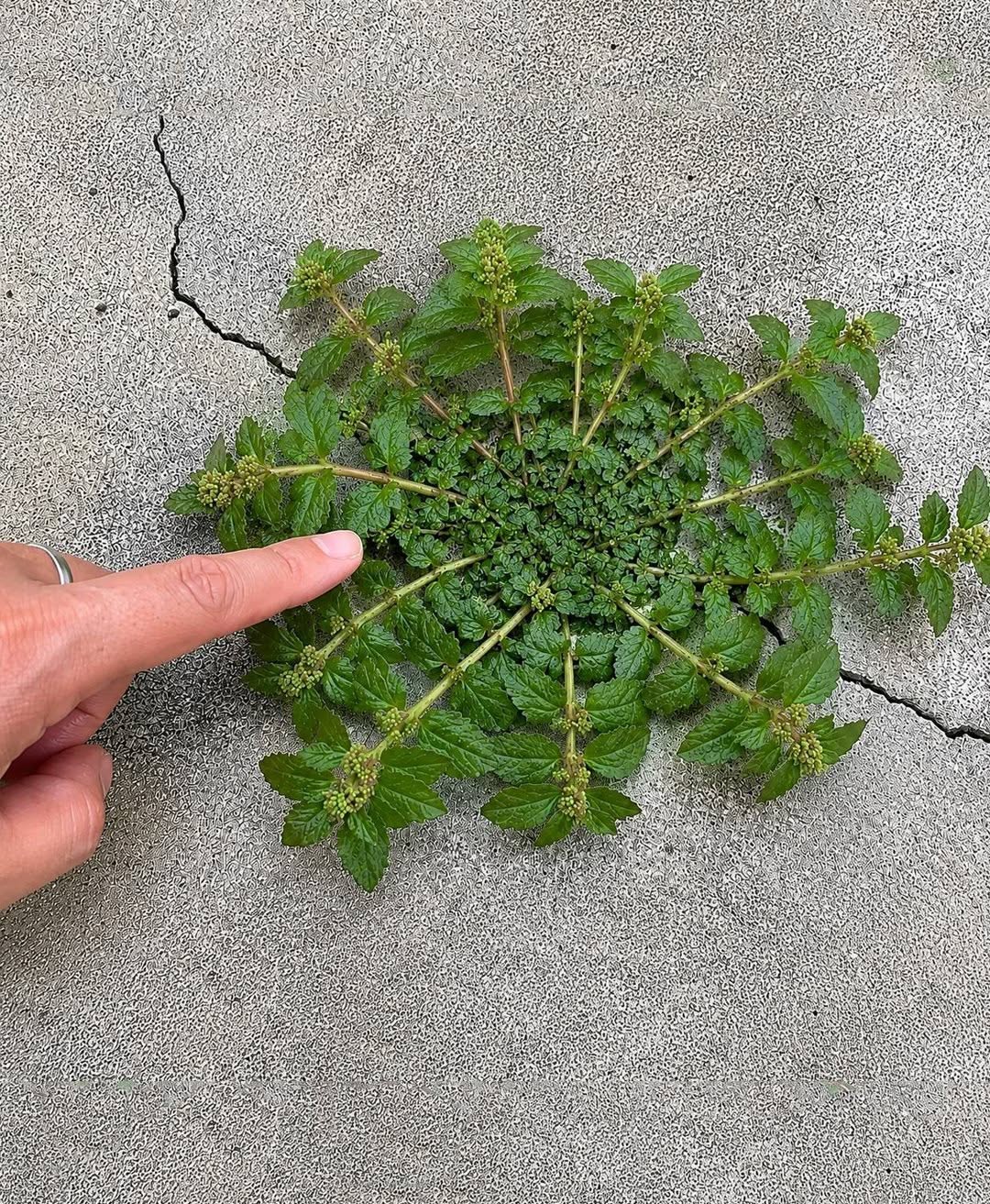
You’ve likely walked past this so-called “useless” weed countless times without a second thought, unaware that it may actually be a valuable plant with a long history of traditional use. Often removed from gardens or treated as a nuisance, it has instead been regarded in many cultures as a useful medicinal herb rather than a pest. This unassuming plant is Euphorbia hirta, known by names such as asthma weed, snake weed, or pill-bearing spurge.
It is a small, fast-growing annual plant with reddish stems, serrated leaves, and a milky sap that appears when it is broken. Highly adaptable, it grows in a wide range of disturbed environments, including roadsides, fields, and cracks in pavement. Its resilience has contributed to its wide distribution across tropical and subtropical regions.
For generations, Euphorbia hirta has been used in traditional medicine systems across parts of Asia, Africa, and the Americas. Different parts of the plant are prepared in various ways for traditional remedies, and modern studies have identified compounds such as flavonoids, tannins, alkaloids, and saponins that may explain some of its biological activity.
In traditional use, it has been most commonly associated with respiratory support, particularly for coughs, bronchitis, and asthma-like symptoms. It has also been used for digestive issues such as diarrhea and stomach discomfort, as well as for its astringent and diuretic properties in folk medicine practices.
Topically, crushed leaves have been applied in some traditions for minor skin irritations, insect bites, and small wounds, where the plant’s compounds are believed to have soothing or antimicrobial effects.
However, it is not a harmless plant. It can cause side effects such as nausea or stomach irritation when misused, and its milky sap may irritate the skin or eyes. It is also generally advised to avoid use during pregnancy due to potential biological effects. As with many medicinal plants, proper caution and knowledge are important.
Today, Euphorbia hirta remains relevant mainly because of its accessibility and long-standing role in traditional healing practices, especially in regions where modern medical resources may be limited. It is a reminder of how closely human health knowledge has historically been tied to the natural environment, and why many plants once labeled as “weeds” have had practical value in different cultural contexts.