
You’ve likely misunderstood the fruit in your kitchen. What seems like a simple, healthy snack can actually behave very differently depending on its ripeness. The color of a banana’s peel may influence how it affects your blood sugar, digestion, and overall nutrient intake. As bananas ripen, their internal structure changes significantly, shifting from complex carbohydrates to simpler sugars. This natural transformation affects how your body uses their energy, processes glucose, and absorbs nutrients.
Bananas are one of the world’s most popular snacks thanks to their convenience, affordability, and natural sweetness. But they are often treated as if they are nutritionally identical at every stage of ripeness. In reality, a banana is constantly evolving. As it matures, its starches break down into different types of sugars, which changes both its taste and the way your body metabolizes it.
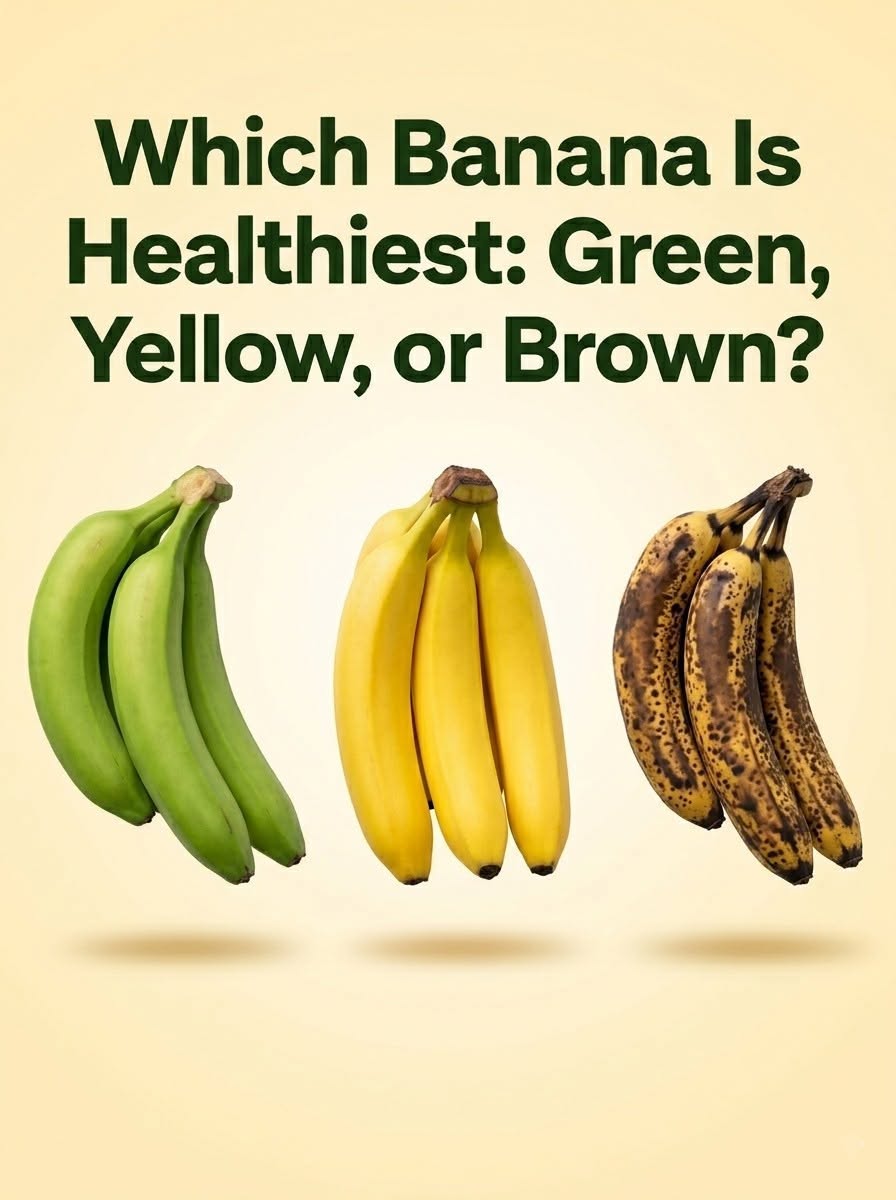
Unripe green bananas are rich in resistant starch, which functions more like dietary fiber than sugar. This means they are digested more slowly, helping promote gut health by feeding beneficial bacteria and supporting more stable energy levels. They can be a useful option for those aiming to manage appetite or maintain steadier blood glucose responses.
As bananas turn yellow, they reach their most commonly consumed stage. Much of the starch has converted into natural sugars, making them easier and faster to digest. This stage provides quick energy, which can be useful for physical activity or busy periods when immediate fuel is needed, while still offering fiber to support digestion.
When bananas become brown and heavily spotted, their starch has mostly broken down into simple sugars, making them softer and sweeter. At this stage, some antioxidant compounds may increase, and the fruit becomes easier to digest for some people. However, it also has a higher sugar impact, which may matter for those monitoring blood glucose levels.
That said, bananas are not universally ideal for everyone. Some individuals may experience sensitivities, and people managing conditions like diabetes should be mindful of how ripeness affects sugar absorption. Pairing bananas with protein or healthy fats can help moderate their impact on blood sugar.
Ultimately, no single stage is universally “best.” Green, yellow, and brown bananas each offer different nutritional characteristics. The most suitable choice depends on your personal dietary needs—whether you want slower energy release, quick fuel, or easier digestion.