
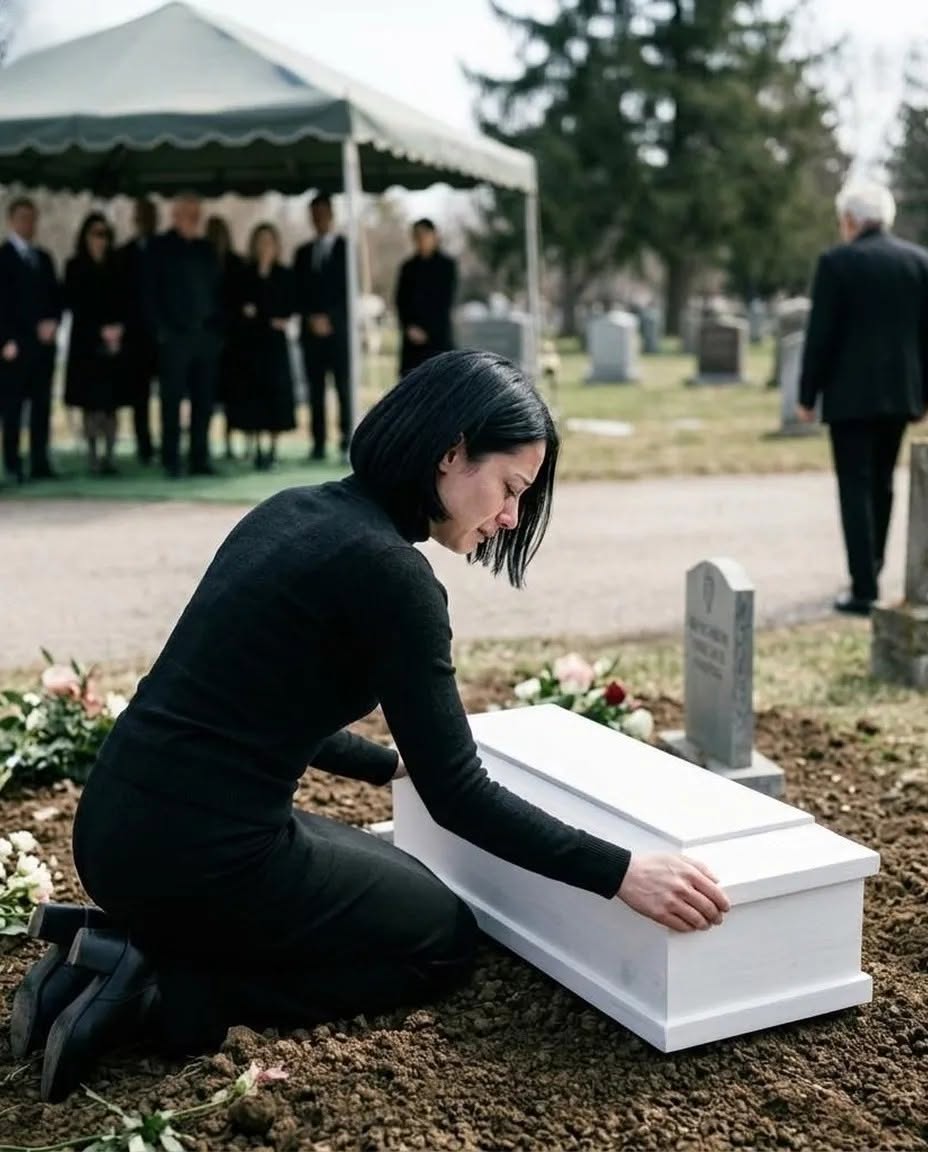
The day I buried my daughter, everything I believed about family, love, and loyalty changed. The grief was overwhelming — a heaviness that felt impossible to carry. Standing in that quiet funeral room, surrounded by a few friends and distant relatives, I felt an emptiness that nothing could fill.
But the most painful part wasn’t the silence, the flowers, or the goodbye itself.
It was the two empty seats where my parents should have been.
The people who were supposed to stand beside me chose not to come. They decided another family gathering was more important than saying farewell to their granddaughter. Their excuses sounded distant and careless, and as I stood there holding onto the last memories of my child, something inside me broke.
In that moment, the image I had of my family disappeared. I finally saw things clearly.
For years, I believed my relationship with my family was built on love and mutual support. After inheriting a large estate from my grandmother, I took on the responsibility of helping those around me. She always believed money should provide security, and I followed that lesson.
I helped my brother keep his business alive by covering expenses when he struggled. I eased my parents’ financial burdens as they got older. I never asked for praise or gratitude. I thought helping the people I loved was simply what family did.
But standing beside my daughter’s casket, I realized something painful.
My kindness had become invisible.
My family no longer saw me as someone who needed love and support. They saw me as someone who would always provide.
Later that day, while the sadness of the funeral still surrounded me, I didn’t turn to anyone for comfort. Instead, I called my attorney, Rebecca.
She had helped me manage my grandmother’s estate and understood every detail of the trusts and financial arrangements. With a calm voice, I explained what had happened.
I told her I had spent years supporting people who couldn’t even show up during the hardest moment of my life.
I was done being the person who carried everyone else while no one carried me.
With Rebecca’s help, I began ending the financial support I had provided for years.
This wasn’t about revenge. It wasn’t an emotional reaction.
It was about protecting myself and finally creating boundaries.
The money helping my brother’s business was redirected. The regular support payments my parents relied on were stopped. Everything was handled legally and carefully, but the message was clear:
The endless support had come to an end.
I needed to honor my daughter’s memory by choosing myself.
My family’s response came almost immediately.
Within days, my phone was filled with calls and messages. People who claimed they were too busy to attend a funeral suddenly had plenty of time to argue about money.
They accused me of being cruel. They said I was acting unfairly while I was grieving.
But their anger only confirmed what I had already realized.
They weren’t mourning the loss of me or my daughter.
They were mourning the loss of what I provided.
That truth hurt more than I expected, but it also gave me clarity.
Over the following weeks, every relationship changed. Without money holding everything together, I finally saw what was real and what wasn’t.
Some conversations ended in pain. Others forced people to reflect on their choices.
I spent time grieving, visiting my daughter, and learning how to move forward without carrying the weight of everyone else’s expectations.
I realized I didn’t need to keep sacrificing myself for people who didn’t value my heart.
By creating boundaries, I built a different kind of life — one based on honesty, respect, and genuine connection.
My grandmother taught me about responsibility, but I finally understood that responsibility also meant taking care of myself.
The story isn’t really about money or a family dispute.
It’s about a mother who found her voice after experiencing the deepest loss imaginable.
My parents missed the chance to say goodbye to their granddaughter.
But in doing so, they lost the daughter who had spent years trying to save them.
The pain of losing my child will always remain, but I no longer carry the pain of being unseen and used.
For the first time, I’m building a life where I am valued not for what I can give — but for who I am.