
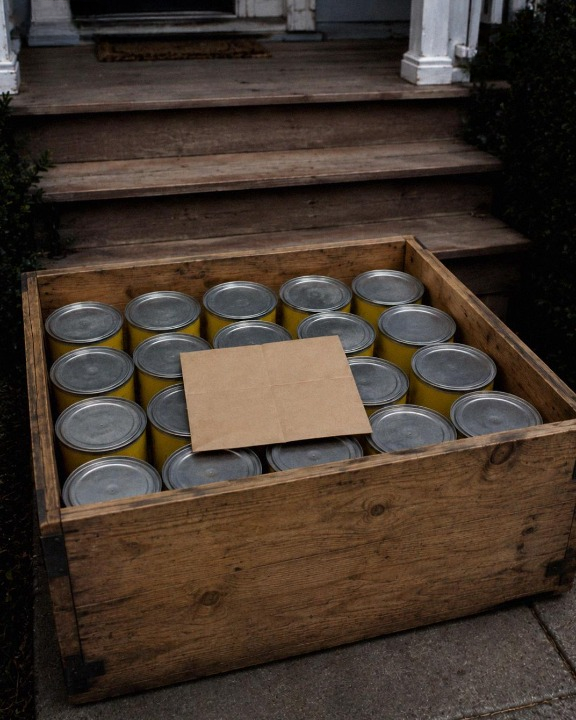
Three days before my family gathered to hear my final will, a stranger delivered a large wooden box to my doorstep. Inside was a message that forced me to question everything I thought I knew about the people I had spent 15 years missing.
For over a decade, my grandchildren behaved as if I no longer existed.
No phone calls on my birthday. No Christmas visits. No cards. No contact.
Nothing.
The silence began after my son, Ethan, died.
At least, that was what I believed for 15 years.
After the funeral, everyone promised we would stay close.
His three children—Lily, Mason, and Chloe—stood with me and called me “Grandpa.”
At first, they still visited.
But gradually, the visits stopped.
One missed birthday became several.
Eventually, years passed without any contact.
I tried to reach them.
I called. I left messages. I sent gifts.
Most went unanswered, or received brief, distant replies.
Over time, I stopped trying as often.
Each unanswered call felt like another loss.
After my wife Margaret passed away, the loneliness deepened.
Neighbors checked on me more than my own family did.
Meanwhile, my grandchildren only seemed to appear when rumors about my finances surfaced.
I wasn’t wealthy beyond reason, but I had built a comfortable estate over decades of work and careful investments.
Occasionally, one of them would call after long silence, asking casual questions that always seemed to drift toward money and inheritance.
By the time I turned 82, I had made my decision.
Most of my estate would go to charities, a scholarship in my wife’s name, and the people who had actually been there for me.
My lawyer Walter helped me prepare everything, and the final family meeting was scheduled.
Three days before it, everything changed.
On a quiet Wednesday, a delivery truck arrived at my home and dropped off a large wooden crate with no return address—only my name painted on the side.
Inside were 15 cans of yellow paint.
Exactly fifteen.
At first, I assumed it was a mistake, until I found an envelope hidden beneath one of the cans.
Inside was a handwritten note:
“One can for every year they forgot you.”
Another message followed:
“Before you sign your final will, open the first can.”
Confused and uneasy, I opened the first can.
Inside was not paint—but photographs.
Images of my grandchildren meeting secretly with a man I thought had been dead for 15 years.
My son, Ethan.
More cans revealed more evidence: documents, travel records, and proof of ongoing contact.
Then came the truth that shattered everything.
Ethan was alive.
He had faked his death years earlier to escape financial trouble, leaving behind a fabricated tragedy.
Worse still, my grandchildren had known.
They had met him. They had kept his secret. They had accepted money from him.
And they never told me.
By the time of the will reading, I had opened all fifteen cans.
I arrived with the full truth documented.
At the meeting, I revealed everything—photographs, records, and proof of their deception.
They tried to defend themselves, but the evidence was undeniable.
When I finalized my will, most of my estate went to charities and the people who had stood by me through the years.
My grandchildren received only a small portion.
They left angry. Some in tears.
But I no longer felt guilt.
After they were gone, I looked around the room and realized something important.
The people who truly mattered were still there—the ones who had shown up without expecting anything in return.
And for the first time in 15 years, I was not alone.