
The snack you believe is a healthy choice could be hiding risks you never expected. Across the country, many families purchase products marketed as nutritious and natural, trusting that they meet safety standards. Yet experts warn that contaminated foods, undeclared ingredients, and poorly regulated products can sometimes make their way into homes without consumers realizing it. Understanding these risks is essential for protecting your family’s health.
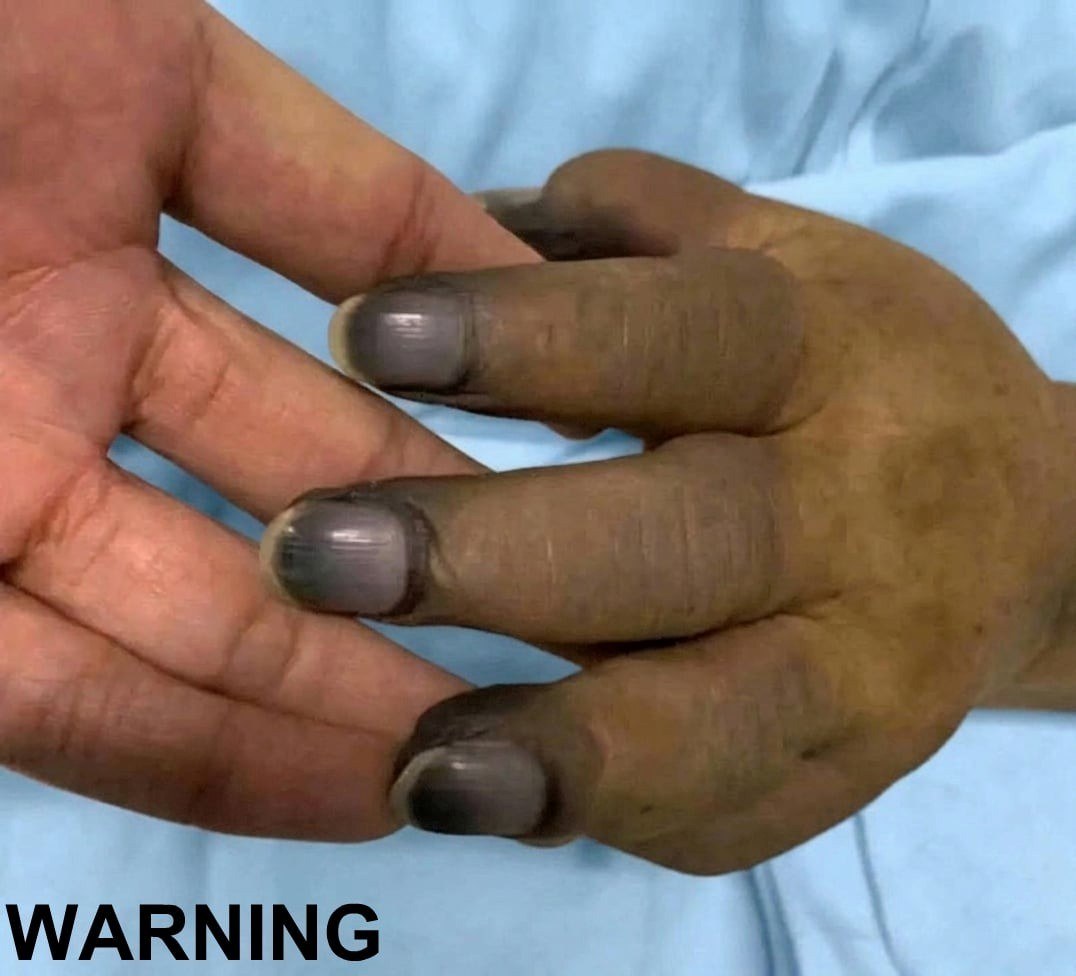
Recent concerns involving contaminated snack products in Mexico City highlighted a larger issue that extends far beyond a single incident. While rumors and speculation spread rapidly online, health professionals pointed to a more practical concern: weaknesses within parts of the global food supply chain. The real challenge is ensuring that products are properly tested, handled, and monitored before reaching consumers.
Most people assume that foods sold in stores have undergone thorough safety inspections. Packaging, branding, and health-focused labels often create a sense of confidence. However, contamination is not always visible. Harmful bacteria, heavy metals, chemical residues, or undeclared allergens may be present without obvious signs. While some people may experience only mild symptoms, vulnerable groups such as children, older adults, pregnant women, and individuals with underlying health conditions can face more serious consequences.
Imported seeds, nuts, and bulk snack products have become a particular area of concern. Products sold loose or repackaged may receive less oversight than those produced by large manufacturers. In some cases, inadequate storage conditions or poor sanitation practices can increase the risk of contamination. Given the enormous volume of food products moving through international markets, regulators cannot inspect every shipment, making consumer awareness increasingly important.
Another concern involves highly processed foods containing numerous additives designed to extend shelf life, improve texture, or enhance flavor. While many approved additives are considered safe within regulatory limits, experts continue to study the long-term effects of heavy consumption of ultra-processed foods. Growing evidence suggests that diets heavily dependent on such products may contribute to various chronic health problems over time.
Rather than focusing solely on viral scares or alarming headlines, consumers can take practical steps to reduce risk. Purchasing products from reputable retailers, checking ingredient labels carefully, paying attention to product recalls, and avoiding foods that appear spoiled or unusual are simple but effective precautions. If a product has an odd smell, unusual appearance, or questionable packaging, it is often safest not to consume it.
Food safety should not be viewed as someone else’s responsibility alone. While governments and regulatory agencies play a crucial role, consumers also benefit from staying informed and making thoughtful purchasing decisions. Small habits—such as reading labels, researching unfamiliar brands, and storing foods properly—can significantly reduce potential risks.
As discussions about food safety continue, one thing remains clear: awareness is one of the most effective tools available. By taking a more active role in evaluating the products that enter our homes, families can make better-informed choices and help safeguard their long-term health.