
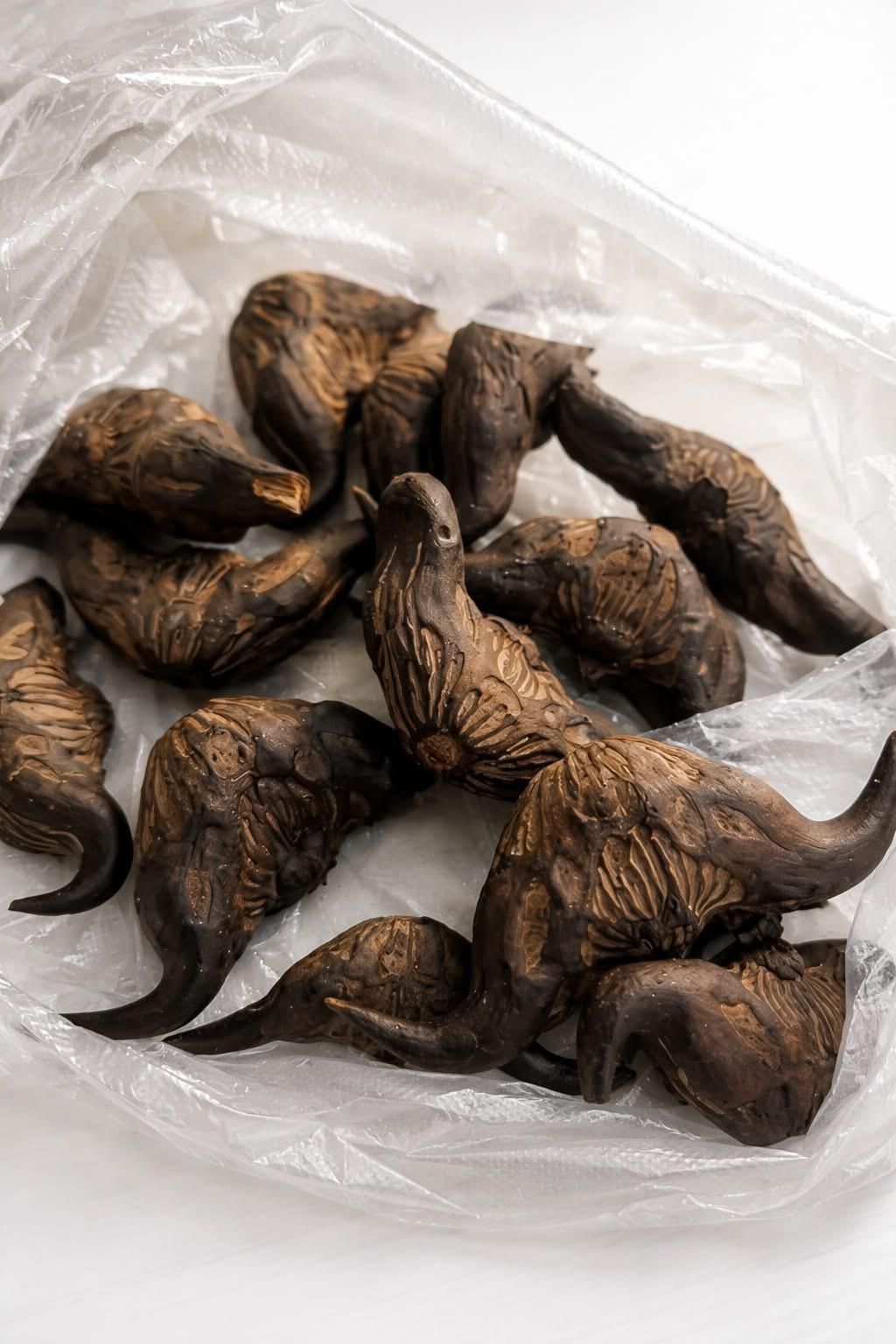
When a neighbor unexpectedly hands you a heavy, unlabelled bag of fresh produce, it can instantly turn an ordinary day into a small mystery. With no instructions or context, you’re left wondering what the items are and how they’re meant to be used. But more often than not, this kind gesture isn’t confusing at all—it’s simply the result of someone sharing the overflow from their garden, passed along with generosity rather than explanation.
During peak growing seasons, backyard gardens often produce far more than one household can consume. Vegetables like zucchini, cucumbers, beans, squash, and okra can quickly multiply beyond control, while fruit trees may suddenly yield more than can be eaten before spoiling. Even herbs such as basil and mint tend to spread aggressively and need regular trimming, making them common items to share. What feels like a mystery bag is usually just the excess fruits of someone’s labor being passed along to avoid waste.
Sometimes the unfamiliar contents aren’t unusual at all, but simply ingredients common in another culture’s everyday cooking. What looks strange at first—bitter greens, unusual roots, or small fruits—may be staples elsewhere and deeply valued in traditional dishes. Sharing them is often an invitation to try something new and expand your cooking experience rather than a challenge or puzzle.
If you’re unsure what to do with an unlabelled bag of produce, the safest approach is to keep things simple. Wash everything thoroughly, then taste a small piece to understand its flavor and texture. This helps you decide how to cook it—whether it’s sweet, bitter, crunchy, or earthy—and gives you direction for preparation.
From there, basic cooking methods work best. Roasting with oil, salt, and pepper can bring out natural flavors, while sautéing with garlic and onions can soften stronger or more bitter tastes. Soups and stews are also a great option, especially when you have a large quantity, since they allow ingredients to blend naturally over time.
If there’s more than you can use right away, preserving is a practical solution. Pickling, freezing, or turning produce into jams and preserves ensures nothing goes to waste and lets you enjoy it long after the season ends.
In the end, a simple mystery bag of vegetables is really about connection. It reflects generosity, community, and the quiet tradition of sharing what grows close to home. What begins as confusion often ends as a reminder that kindness between neighbors can be both practical and meaningful.