
When I was twenty-six, my life looked perfect on the outside. I worked in my parents’ successful retail business, drove an expensive car, and seemed headed for a comfortable, pre-planned future. But it was all surface-level success, and I didn’t realize how empty it was until I stopped one afternoon at a roadside diner to escape the heat. That’s where I met Amelia—a waitress who was exhausted, overworked, and being treated unfairly by customers, yet still carried herself with quiet kindness. Something about her stayed with me, and I kept returning, eventually helping her after shifts just to spend more time with her.
Amelia had survived a devastating gas explosion as a teenager that left her with lasting scars and a difficult past. Despite everything, she cared for her injured mother and faced constant judgment from strangers. When I brought her home, my parents reacted with harsh disapproval. Concerned only with reputation and image, they saw her as someone who didn’t fit their standards and demanded I end the relationship. I refused, choosing her over their approval and walking away from their world entirely.
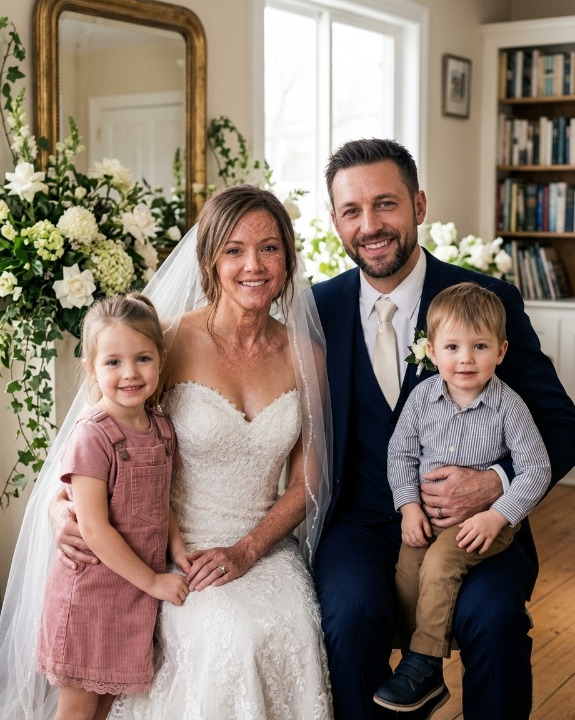
Together, Amelia and I built a life from scratch. She created a support center for people living with visible scars and trauma, while I built my own business. Over time, we found stability, had children, and created a life based on respect and genuine love rather than appearances.
Years later, everything came full circle when my parents lost their wealth and influence. Their business collapsed, and they eventually came to me asking for financial help. Instead of immediately agreeing, I set one condition: they had to spend a full day volunteering at Amelia’s center, following her rules and seeing the world they had always judged from a different perspective.
Reluctantly, they agreed. That day, they worked in roles they had never imagined, serving people they once would have dismissed. The real turning point came when a woman at the center recognized my mother and recalled how her company had once rejected a request for support, saying they didn’t want their brand associated with “sad faces.” The memory exposed the reality of their past decisions.
Confronted with the consequences of their choices, my father finally admitted that their downfall wasn’t just financial—it was the result of a lifetime spent valuing image over people. It was a rare moment of honesty that broke through years of denial.
Amelia then offered them a chance, not as charity, but as accountability. She allowed them to work at the center under strict conditions, helping the very people they once looked down on. My father accepted, realizing it was his only path forward.
Over the following months, change came slowly but steadily. My mother began helping others with compassion instead of judgment, and my father started contributing his skills in practical ways. They were no longer the people obsessed with status and appearance.
Watching them now, I understand that real change doesn’t come from wealth or success, but from being forced to see life from a completely different perspective. They didn’t just lose their old world—they found a more meaningful one in its place.