
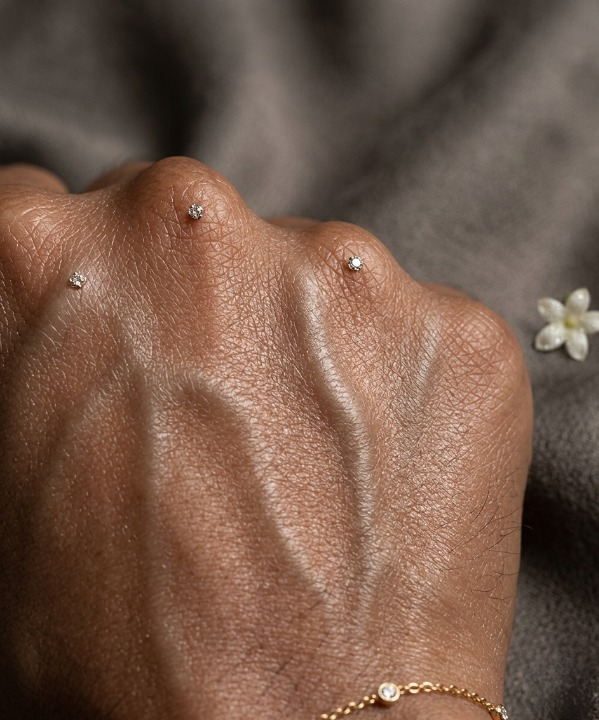
Seeing blue or green veins under your skin can sometimes be surprising, especially when they seem more noticeable than before. Many people first spot this change in everyday moments—like looking in the mirror—and immediately worry whether it signals a hidden health problem. While it’s natural to feel concerned, visible veins are often a normal part of how the body works rather than a sign that something is wrong.
In most cases, more visible veins are completely harmless. They can become more noticeable after exercise, since increased blood flow and muscle activity push veins closer to the skin’s surface. People with lower body fat may also see veins more clearly because there is less tissue covering them. In simple terms, it’s just the body’s internal “road map” becoming easier to see.
External conditions can also play a role. Warm temperatures, hot showers, or physical activity can cause blood vessels to widen as the body tries to regulate heat. This natural process makes veins stand out more. Age is another factor—over time, skin becomes thinner and loses some of its elasticity, which can make veins appear more visible even in perfectly healthy individuals.
However, there are situations where visible veins may be worth paying attention to, especially if they come with other symptoms. Pain, tenderness, swelling, or a heavy feeling in the limbs can sometimes indicate circulation problems that need medical evaluation. Changes in skin color or texture near a vein, or symptoms like unusually cold fingers or slow healing wounds, may also suggest an underlying issue affecting blood flow.
When in doubt, getting checked by a healthcare professional is the safest option. A doctor can quickly assess whether everything is normal or if further tests are needed. In many cases, reassurance alone is enough. In others, early detection can help manage any developing vein or circulation problems before they become more serious.
Overall, visible veins are just one of many ways the body reflects its internal state. Most of the time, they are completely normal and harmless. The key is to look at the bigger picture of your health rather than focusing on a single detail. Paying attention to how you feel, not just how you look, is the best way to understand what your body is telling you.