
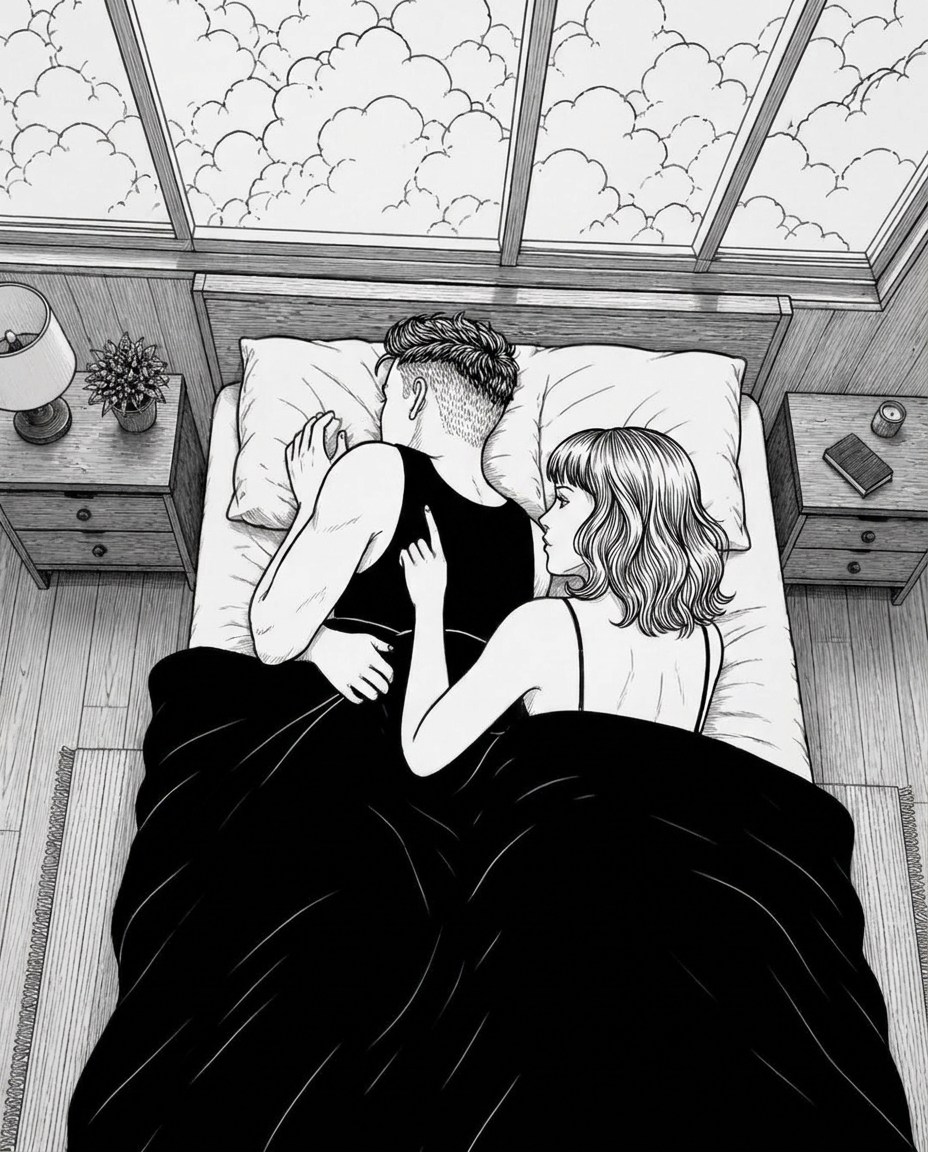
When it comes to relationships, people tend to search for clues in words, actions, and emotional responses. But some of the most revealing signs may appear when both partners are asleep. Many people believe that the way couples sleep together can subtly reflect the condition of their relationship. While sleep positions are not a reliable measure of love or compatibility, they may still hint at levels of comfort, trust, and emotional intimacy.
The Connection Between Sleep and Emotional Bonds
Sleep is a state where we lose conscious control, and the body naturally settles into positions that feel most comfortable and secure. For couples, this can sometimes result in sleeping arrangements that reflect emotional distance or closeness. That said, sleep posture is also shaped by practical factors like temperature, personal habits, and physical comfort—not just feelings in a relationship.
Common Sleeping Positions and Possible Interpretations
1. The Spoon Position
In this arrangement, one partner wraps their body around the other from behind. It is often linked to feelings of protection, warmth, and closeness. Many interpret it as a sign of intimacy and emotional security within the relationship.
2. Sleeping Back-to-Back Without Contact

At first glance, this position may look like emotional distance, but that isn’t necessarily true. In many long-term relationships, sleeping back-to-back can actually signal comfort and trust. It often shows that both partners feel secure enough to allow personal space while still choosing to share the same bed.
3. Facing Each Other
When couples sleep facing one another, sometimes with light contact, it is often seen as a sign of emotional closeness and openness. This position can reflect strong connection and a desire for communication, and it’s commonly observed in newer relationships or during particularly close periods.
4. The “Chase” Position
Here, one partner moves closer while the other shifts away. This can sometimes suggest differing emotional needs—one seeking more closeness, the other needing space. However, it can also be nothing more than a natural sleeping habit or comfort adjustment during the night.
When Space Isn’t a Sign of Distance
It’s common for couples to worry when they no longer sleep closely together, but physical space during sleep doesn’t automatically indicate emotional separation. Over time, people develop individual sleep preferences—such as needing room to move or staying cooler at night. Even couples who sleep apart or with distance can still share strong, healthy emotional connections.

What Truly Matters
Instead of placing too much importance on sleep positions, it’s more meaningful to focus on the relationship as a whole. Do you communicate honestly? Do you feel heard, supported, and emotionally safe? These aspects are far more significant than whether you fall asleep holding each other or turned away.
Finding a Healthy Balance
If your sleep habits are on your mind, an open and calm conversation with your partner can help. Simple routines—like talking for a few minutes before bed, reconnecting at the end of the day, or checking in emotionally—can strengthen your bond more effectively than trying to force a certain sleeping position.
Final Thoughts
Sleep positions may offer small hints about comfort and closeness, but they are not a guide to the health of a relationship. Every couple is different, and what truly defines a strong bond is how you connect when you’re awake. Trust, communication, and mutual respect matter far more than whether you sleep facing each other or on opposite sides of the bed.