
1. Introduction
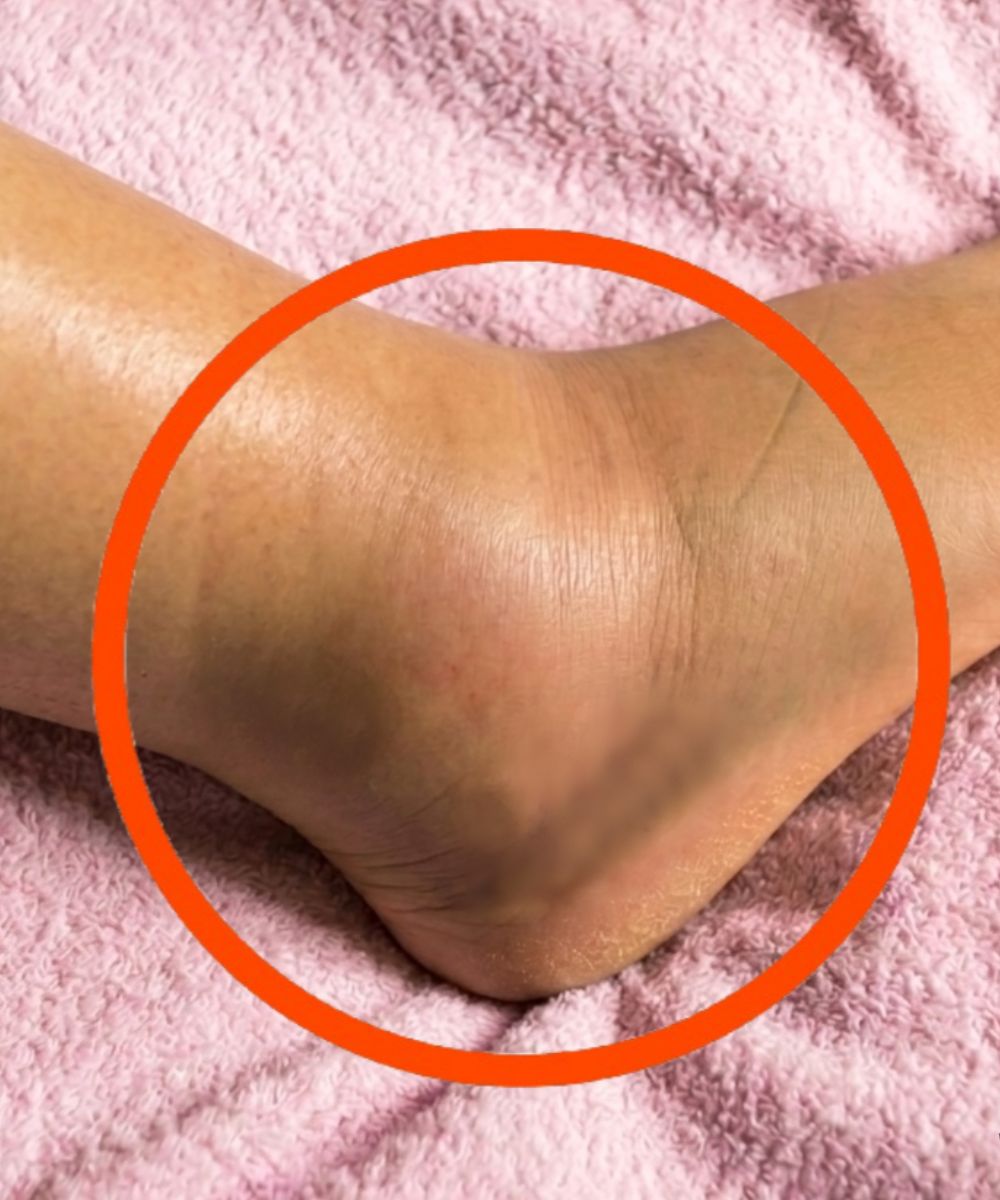
Swelling in the legs is a frequent concern among older adults and can cause discomfort as well as difficulty moving around. While occasional mild swelling is often harmless, persistent or intense swelling may indicate an underlying medical issue. Recognizing the possible causes can help both seniors and caregivers manage it more effectively.
2. Poor Circulation
With age, blood vessels and veins naturally lose some flexibility, making it harder for blood to return efficiently to the heart, especially from the lower body. As a result, gravity can cause fluid to pool in the legs, leading to swelling in the feet and ankles—particularly after long periods of sitting or standing.
3. Fluid Retention (Edema)
Edema refers to the buildup of excess fluid in body tissues. In older adults, this is often associated with conditions such as heart, kidney, or liver disease. When these organs are not functioning optimally, the body struggles to maintain fluid balance, which can result in noticeable swelling.
4. Medication Side Effects
Many seniors take regular medication for chronic health conditions. Certain drugs, including some blood pressure treatments and anti-inflammatory medicines, can cause swelling as a side effect. If swelling begins after starting a new prescription, it is important to consult a healthcare provider.
5. Lack of Physical Activity
A lack of movement can make swelling worse. When a person remains seated or lying down for long periods, the leg muscles are less active. Since these muscles help circulate blood back to the heart, inactivity can contribute to fluid accumulation in the lower limbs.
6. Warning Signs of Serious Conditions
In some cases, swollen legs may point to a more serious condition such as deep vein thrombosis (DVT), which is a blood clot in a deep vein. This requires immediate medical attention. Symptoms may include swelling in one leg, pain, redness, or warmth in the affected area.
7. Ways to Reduce Swelling
Several simple strategies can help manage swelling in the legs:
- Elevating the legs above heart level
- Wearing compression stockings
- Drinking enough water and reducing salt intake
- Staying active with gentle exercises like walking or stretching
8. Conclusion
Leg swelling in older adults is usually caused by a mix of aging, health conditions, and lifestyle habits. While mild cases can often be managed at home, ongoing or severe swelling should always be checked by a medical professional. Early attention can help prevent complications and improve overall well-being.