
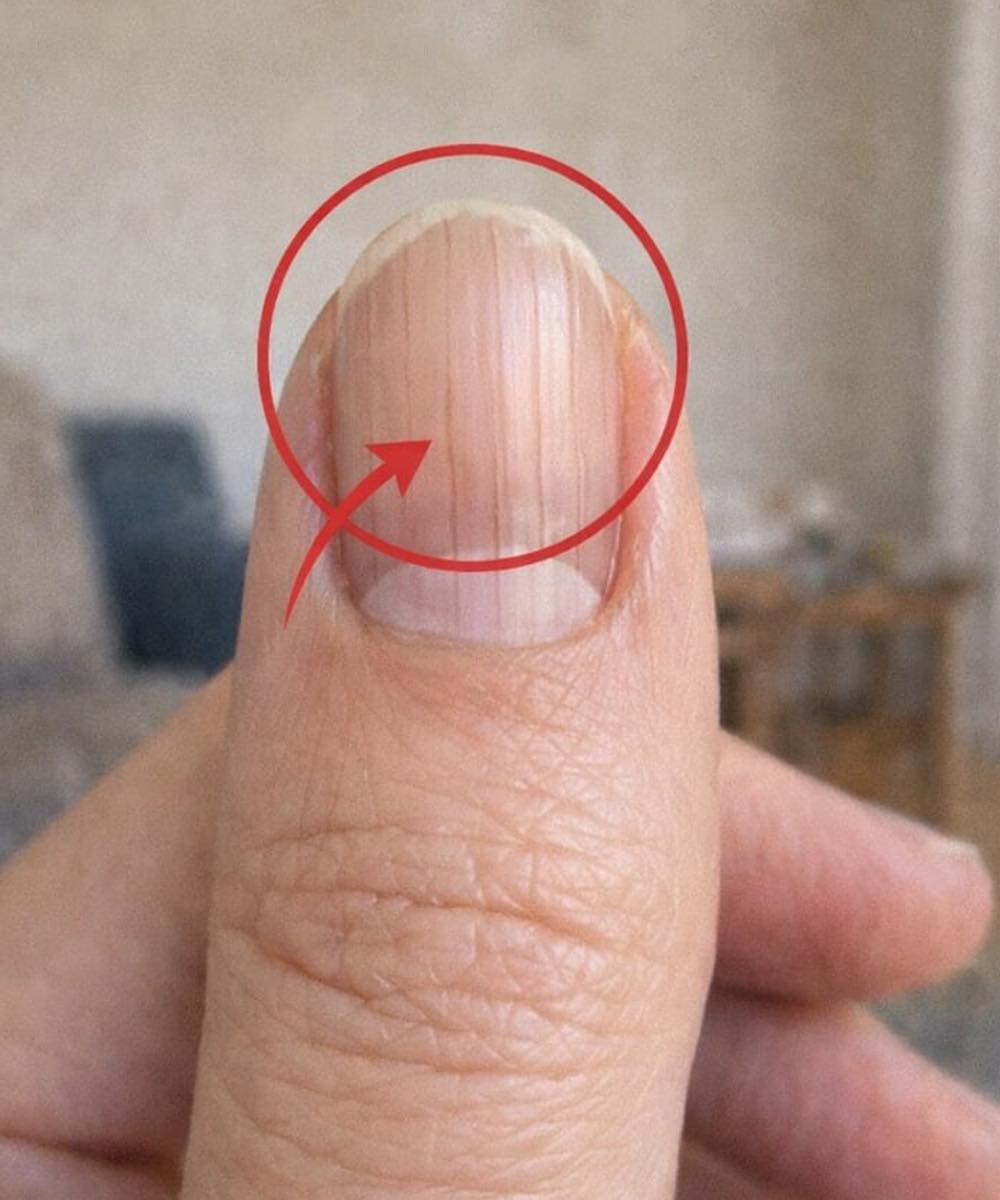
According to David Sinclair, your fingernails can reveal a surprising amount about your overall health. He suggests that certain signs visible on your nails may even give clues about your life expectancy. But what exactly should you look for, and what does it mean?
What Your Fingernails Say About Your Lifespan
Dr. Sinclair explains that he regularly checks his fingernails to monitor how quickly his body is aging. While most people focus on factors like diet, heart health, or fitness, nails are often overlooked. However, nail condition reflects how efficiently your body produces new, healthy cells. Faster cell regeneration is generally linked to better protection against age-related decline.
A Clue to Biological Aging
Your chronological age doesn’t always match your biological age—the latter reflects how well your body is functioning internally. One way to estimate this is by observing nail growth. Dr. Sinclair pays attention to how quickly his nails grow and how often he needs to trim them. He refers to research from 1979 showing that nail growth slows by about 0.5% each year after age 30. If your nails grow faster than this average rate, it may suggest you’re aging more slowly than expected.
Other Health Signals in Your Nails
Fingernails can also reveal signs of various health conditions:
- A dark line could be a warning sign of Melanoma
- Small dents or pits may point to Psoriasis or Atopic Dermatitis
- Yellow nails might indicate Rheumatoid Arthritis or lung issues
- Clubbed (curved) nails can be linked to heart, lung, liver, or digestive problems
- White nails may suggest Diabetes or liver disease
- Pale nails can signal anemia
- Blue nails may mean low oxygen levels in the blood
When It’s Just a Nail Issue
Not all nail problems are signs of serious illness. Brittle nails can result from frequent exposure to water or chemicals, though they may also be linked to iron deficiency or Hypothyroidism. Using moisturizing products can help improve nail strength. Peeling nails might come from external factors like nail polish removal or prolonged soaking, but if both fingernails and toenails are affected, it could point to a nutritional deficiency.
The Bottom Line
Your fingernails can offer valuable insights into how your body is aging and whether underlying health issues may be present. Monitoring changes in growth, color, or texture can help you catch potential problems early. While not every change is serious, noticeable or persistent differences should be checked by a medical professional to ensure your overall health is on track.