
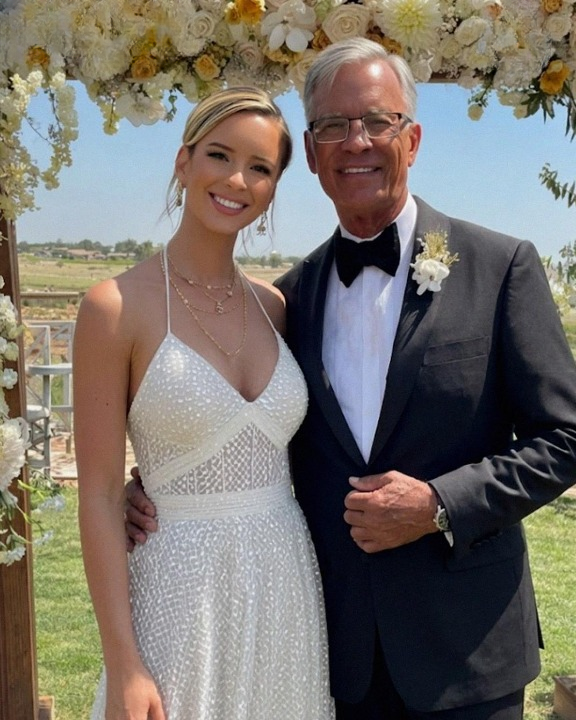
I married my best friend’s wealthy grandfather, thinking I was choosing security over self-respect. On our wedding night, he revealed a truth that changed everything: what started as a practical arrangement became a fight for dignity, loyalty, and recognition in a family that valued greed over love.
I had always been invisible, unnoticed except as a punchline. By sixteen, I’d mastered laughing last, ignoring pity, and pretending solitude was a choice—until Violet, kind and deliberate, sat beside me and changed that. She stayed through high school, college, and beyond, never judging me, while I clung to her friendship as my lifeline.
When I moved to her city with nothing but hope and a tiny apartment, Violet introduced me to her grandfather, Rick. At first, I was overwhelmed by his wealth and world, but I noticed him, not the money. He noticed me back, and slowly, a bond formed—one rooted in respect and observation.
Then one night, he asked if I’d ever considered marrying for security. Shocked, I realized he was serious, proposing a marriage that should have made me walk away—but instead, I stayed, seeking the stability I’d never had. Violet judged me harshly, believing I’d sold myself for money, and I left her in anger, convinced I needed security above all else.
Three weeks later, I married Rick. The wedding was private, the age gap obvious, and love absent—but respect present. Soon, Rick revealed the truth: he was dying, and he trusted me to protect his estate and foundation from the greedy family members circling him. The marriage wasn’t romantic, but it was built on integrity and trust.
Violet came to understand me after seeing the evidence: I hadn’t sought wealth; I’d sought survival and honesty. Rick died months later, and his plans ensured I was respected, trusted, and finally in a place of security—not charity. For the first time, I belonged, not as someone owed a favor, but as someone chosen.