
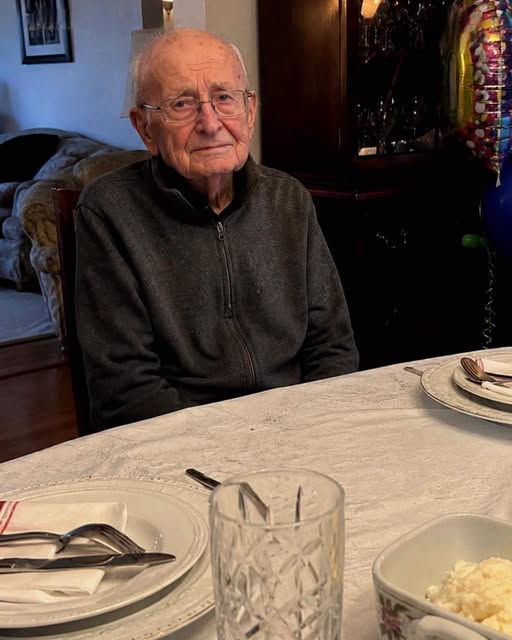
I walked into my grandfather’s house expecting a loud, joyful family gathering, but instead I found a painfully quiet scene of abandonment. The man who had spent decades sacrificing his own needs for ours — paying for education, helping with bills, and always showing up — was sitting alone at a perfectly set table, surrounded by untouched food and a single sagging balloon. In that moment, I realized the truth: the people he had devoted his life to had failed to show up for him when it mattered most.
Grandpa Walter had always been the backbone of our family. He was endlessly reliable, quietly generous, and always present for every milestone. After my grandmother passed away, he continued living in his small home, holding onto the family bonds he had spent a lifetime building. As his 80th birthday approached, he was genuinely excited — not for gifts, but simply to have everyone he loved gathered under one roof.
I personally confirmed everyone’s attendance. Every relative promised they would come. My grandparents spent the entire morning preparing food, baking cake, and getting the house ready, believing they would be surrounded by family.
But when I arrived late that day, the silence was immediate and heavy. No cars outside. No voices inside. Just stillness. Inside, Grandpa was alone at the table, folding napkins and waiting. The food had gone untouched. When he looked at me and said, “I guess everyone got busy,” it felt like something inside me broke.
As I stayed with him, watching him try to mask his disappointment, I saw message after message come in with weak excuses — work, illness, forgetfulness. None of it felt acceptable. By the time he quietly blew out a single candle on his birthday cake, I made a decision: I wasn’t going to let this be ignored.
A week later, I called a family meeting at his house. I didn’t ask — I told them to come. One by one, they arrived, likely expecting something trivial. Instead, they walked into a room filled with evidence of what they had done: photos of the empty table, the untouched meal, and Grandpa sitting alone waiting for people who never came.
I confronted them directly. I reminded them of everything Grandpa had done for each of them — the financial help, the sacrifices, the constant support. Then I showed them what their absence had looked like in reality. The photos made it impossible to hide behind excuses. Some got defensive, some went silent, and others broke down.
The conversation was uncomfortable, but it forced something important into the open. For the first time, they had to face what their neglect actually meant.
In the months that followed, things changed. The family gatherings are smaller now, but they are real. The people who show up do so because they want to, not because they’re avoiding guilt. Grandpa is no longer left waiting at an empty table.
And while the past can’t be undone, one thing is different now — he is no longer forgotten.