
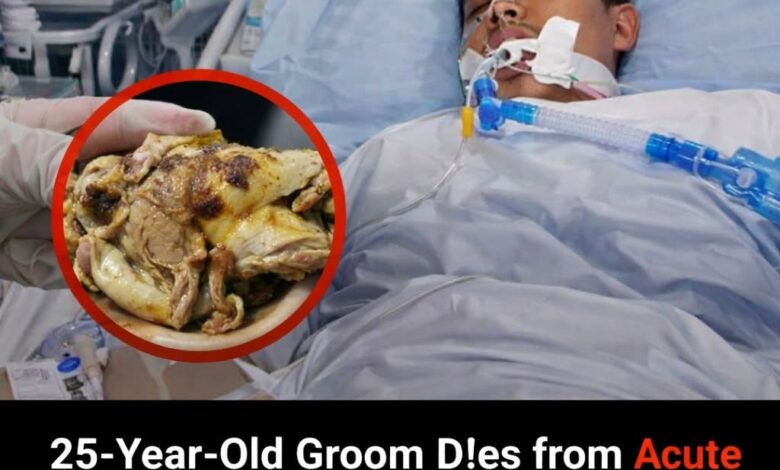
A tragic incident involving a 25-year-old man shortly before his wedding has renewed discussions about the importance of food safety and the potential risks associated with foodborne illnesses. The young man, described as healthy and looking forward to his upcoming marriage, reportedly became seriously ill after consuming a chicken meal.
What initially appeared to be a minor digestive issue quickly developed into a severe medical emergency. Within a short period, he experienced persistent vomiting, extreme fatigue, and jaundice, a condition that causes yellowing of the skin and eyes. His condition worsened rapidly and progressed to acute liver failure, a rare but serious medical complication that requires immediate treatment.
Despite receiving emergency medical care, doctors were unable to save him. Laboratory testing later suggested that the illness may have been linked to bacterial contamination in the chicken he consumed. Common foodborne bacteria such as Salmonella and Campylobacter are among the pathogens most frequently associated with poultry. While most infections caused by these bacteria result in temporary gastrointestinal symptoms, severe complications can occur in rare cases, particularly among individuals with certain health vulnerabilities.
The case highlights the importance of proper food handling and cooking practices. Raw poultry can contain harmful bacteria that are not visible and may survive if the meat is not cooked thoroughly. A chicken dish may appear fully cooked on the outside while remaining undercooked internally, allowing bacteria to persist.
Food safety experts recommend using a food thermometer rather than relying solely on appearance. Chicken should reach an internal temperature of at least 75°C (165°F) at its thickest point to ensure harmful bacteria have been destroyed. Visual indicators such as color or clear juices are not always reliable measures of safe cooking.
Another important food safety recommendation is to avoid washing raw chicken before cooking. Rinsing poultry can spread bacteria through water droplets onto kitchen surfaces, utensils, and nearby foods, increasing the risk of cross-contamination. Instead, poultry should be transferred directly from its packaging to the cooking surface, and all preparation areas and hands should be cleaned thoroughly afterward.
Health professionals also stress the importance of paying attention to symptoms following the consumption of potentially contaminated food. Severe or worsening symptoms, including persistent vomiting, jaundice, confusion, or extreme weakness, warrant immediate medical evaluation. Early diagnosis and treatment can help reduce the risk of serious complications.
Individuals with weakened immune systems, chronic illnesses, or pre-existing liver conditions may face a higher risk of severe outcomes from foodborne infections. For these groups, extra caution in food preparation and handling is particularly important.
This unfortunate loss serves as a reminder that food safety is an essential part of everyday health. Proper cooking, good kitchen hygiene, avoiding cross-contamination, and seeking prompt medical attention when serious symptoms arise are key steps in reducing the risk of foodborne illness. While poultry remains a nutritious and widely consumed food, safe handling practices are critical to protecting both individual and public health.