
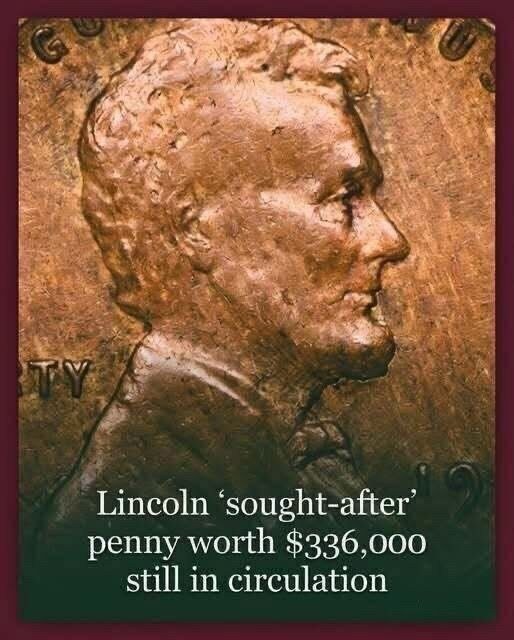
The world of coin collecting is full of remarkable discoveries, but few are as famous as the 1943 Bronze Lincoln Cent. For decades, collectors and enthusiasts have believed that a handful of these rare copper-colored pennies may still be hiding in everyday pocket change—any one of them potentially worth an extraordinary fortune. Their origin is rooted in one of the most critical periods of the 20th century: World War II.
During the war, the United States faced severe shortages of copper, which was needed for military equipment, wiring, and ammunition. To conserve resources, the U.S. Mint replaced the usual bronze composition of the penny in 1943 with zinc-coated steel, creating the distinctive silver-colored cent that year.
However, the changeover wasn’t perfect. A small number of leftover bronze blanks from 1942 were accidentally left in the minting machines. When the new steel production began, a few of these bronze planchets were struck by mistake, creating an extremely limited number of 1943 bronze pennies. These rare errors were unknowingly released into circulation alongside the standard steel cents.
By the late 1940s, reports of unusual copper-colored 1943 pennies began to surface, sparking widespread excitement. As word spread, people across the country started checking their change, hoping to find one of these unexpected rarities. What began as a minting mistake quickly turned into a legendary treasure hunt and one of the most talked-about coin errors in U.S. history.
The fascination with the 1943 bronze cent continues today because of its powerful connection to history and its extreme scarcity. While the steel version represents wartime adaptation and sacrifice, the bronze version stands as an accidental relic of that same era. For collectors, it is more than just a coin—it is a tangible piece of World War II history.
Experts estimate that only a small number of these bronze cents exist, possibly fewer than two dozen. Their rarity has driven auction prices into the hundreds of thousands of dollars, with some examples reportedly reaching even higher in private sales. Because of their value, many counterfeits and altered coins have appeared over the years, making professional authentication essential. Specialists carefully examine weight, composition, and minting details to confirm authenticity.
At first, the U.S. Mint dismissed claims of bronze 1943 pennies as mistakes or fakes. It took detailed scientific testing to prove that genuine examples did exist, which only deepened public fascination. Soon, the idea of finding one became a national obsession, with people even using magnets to separate common steel cents from potentially valuable coins.
Over time, stories of rare discoveries—such as individuals finding a bronze 1943 penny in everyday change and selling it for life-changing sums—helped fuel the legend even further.
Today, the 1943 Bronze Lincoln Cent remains one of the most iconic and desirable error coins in numismatics. It continues to remind collectors and casual observers alike that extraordinary value can sometimes be hidden in the most ordinary places.