
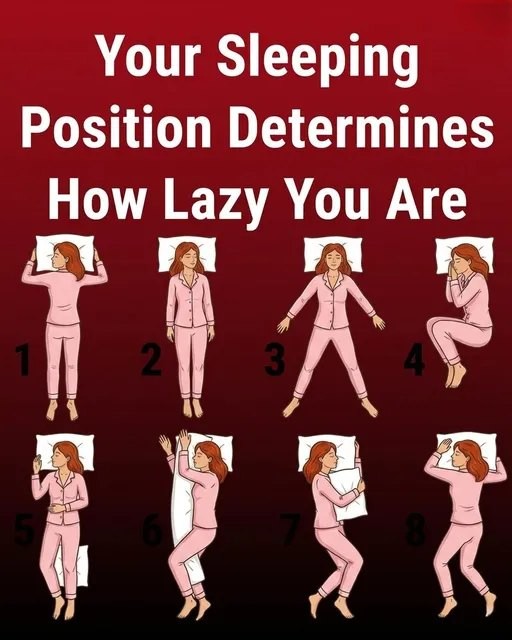
Sleep posture analysis has become a popular, lighthearted way for people to reflect on their habits, preferences, and personality traits. While it isn’t a scientifically precise method or a medical tool, many enjoy comparing the way they naturally sleep with common interpretations linked to behavior and temperament. From stretching out with arms raised to curling tightly on one side, different sleeping positions are often associated with comfort levels, emotional patterns, and daily lifestyle tendencies. As interest in wellness and self-reflection continues to grow, this simple idea remains widely shared as a fun way to connect rest habits with waking life.
One commonly discussed position is sleeping on the back with arms raised near or above the head. This is often described as the “arms up” position and is associated in popular interpretations with openness and relaxation. People who favor this posture are often seen as easygoing and approachable, comfortable with new experiences and generally calm in social situations. The idea is that the physical openness reflects a relaxed and receptive mindset.
In contrast, sleeping flat on the back with arms resting close to the body—sometimes called the “soldier” position—is linked in these interpretations to structure and discipline. People who naturally sleep this way are often described as organized, routine-oriented, and steady in their daily lives. The posture is seen as reflecting self-control and a preference for order and predictability.
Side sleeping offers more variation. A relaxed side sleeper, who rests without tightly curling up, is often associated with balance and practicality, someone who adapts well while maintaining stability. Meanwhile, the curled “fetal” position is commonly linked to a desire for comfort, emotional security, and sensitivity. It’s often described as a posture people turn to when they want to feel safe or unwind from stress.
Other familiar styles include the “starfish” position, where a person lies spread out across the bed, often interpreted as outgoing and generous in nature. The “pillow hugger,” who holds onto a pillow or blanket while sleeping, is typically associated with comfort-seeking and a strong need for emotional reassurance or closeness.
Another type is the restless or shifting sleeper, someone who changes positions throughout the night. This is often linked to adaptability and flexibility, suggesting a person who adjusts easily to change and looks for solutions rather than staying stuck in one approach.
While these interpretations are meant to be entertaining rather than scientific, they encourage people to think more about their habits and rest patterns. In reality, sleep quality, stress levels, and consistent rest routines matter far more for overall well-being than any specific sleeping position. Good sleep hygiene, a comfortable environment, and enough rest remain the real foundations of healthy recovery and balance.