
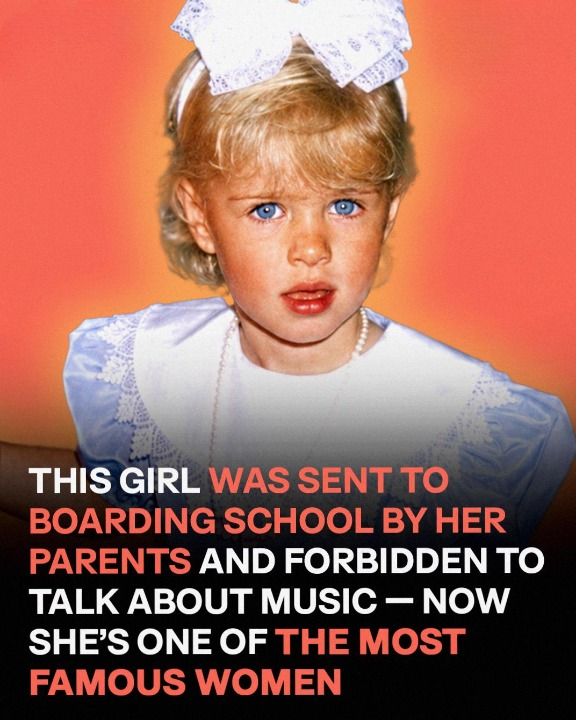
Long before she became one of the most recognizable women in the world, she was a teenager placed in a remote behavioral program where even basic conversation could lead to punishment.
The rules were strict and constantly enforced. Students needed permission for simple things like looking out a window or using the bathroom. They were not allowed to talk about life outside the program—no music, TV, movies, news, friends, family, or personal topics. Even certain words and subjects were completely banned, from specific celebrities to everyday foods.
The program was presented as therapy, not discipline.
She came from a well-known American family, where wealth and status made everything appear perfect from the outside. But school had long been a struggle. Undiagnosed ADHD meant her energy and creativity were misunderstood, often seen as misbehavior rather than something to support.
At 14, after a troubling incident involving an adult, her family made major changes. She was sent to live with her grandmother while the rest of the family moved away. Not long after, she had another negative experience with an older man—something she kept to herself.
When she returned home, her behavior shifted. She withdrew, skipped school, and stayed out late. Concerned, her parents sent her to a therapeutic boarding school in the mountains of California, part of a program later criticized by former students for harsh treatment.
There, the strict rules continued. Former participants described intense control, emotional pressure, and exhausting group sessions. She tried to escape several times but was returned and moved to stricter facilities. She spent nearly a year in one of them, later saying she received little real education during that time.
When she finally left, just before turning 18, she made a promise to herself—to build a life where no one could control her again.
Afterward, she focused on modeling and creating a public image. By her early twenties, she was one of the most photographed women in the world. Despite criticism, she understood personal branding before it became mainstream.
In 2004, a private video was released without her consent, bringing intense media scrutiny. The experience deeply affected her, but also gave her a clearer view of the industry.
Over time, she transformed her image and influence. What was once dismissed—her fashion, style, and persona—later became part of a major cultural trend. She helped shape what is now known as Y2K fashion.
Her career expanded into business, music, television, and entrepreneurship. She built a global brand, launched successful products, and became one of the early models for modern influencer culture.
In recent years, she has also spoken openly about her experiences in youth programs, advocating for oversight and reform. She has worked with lawmakers and supported causes related to children’s welfare and mental health.
Today, her focus has shifted. While her career remains successful, she often emphasizes that her family matters most to her. After years of being silenced, she has made sure her voice—and her story—are finally heard.