
I had always assumed that Marcus’s strict approach to money was just his way of coping with insecurity about finances. From the moment we got married, everything in our relationship was divided perfectly in half. He called it the “Fairness System,” a method he was oddly proud of, while I quietly saw it as a relationship reduced to spreadsheets and calculations. At first, I didn’t resent it. Compared to my own childhood, where my mother struggled to keep the lights on, his structured system felt stable and safe. I never imagined that this obsession with equality would eventually turn into something emotionally damaging.
Things began to deteriorate when I became pregnant. The spreadsheets stopped being neutral and started feeling personal. Every pregnancy-related expense—from vitamins to maternity support items—was logged and assigned to me. I told myself it was just his anxiety about becoming a father, but deep down I began to feel how cold the system truly was. The reality of it hit me hardest on the night my labor began.
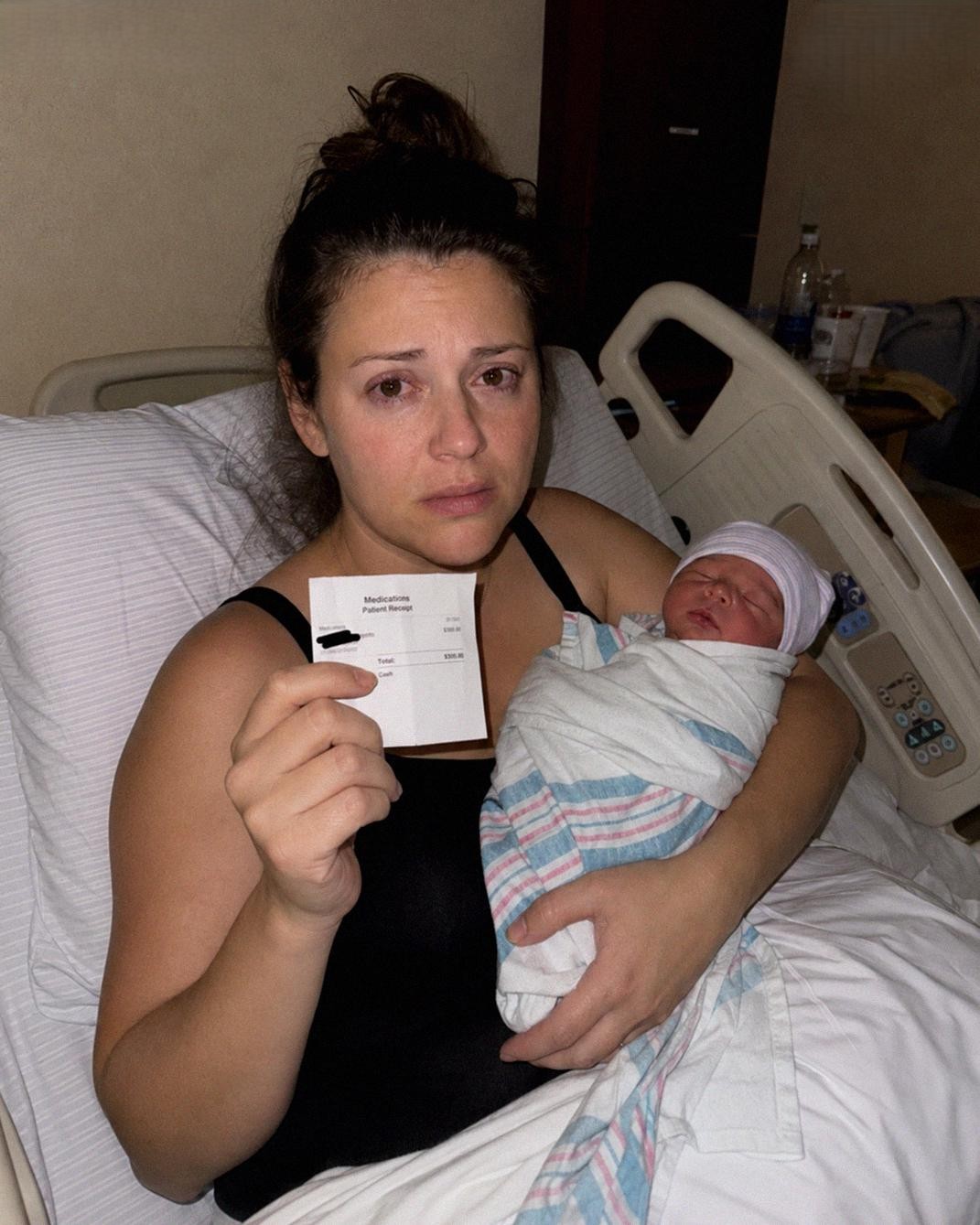
The birth itself was long and traumatic. After more than a day of labor, complications turned into an emergency, and everything in the delivery room shifted into chaos. When our son was finally born, I had only a brief moment to hold him before doctors rushed back in as I began to bleed dangerously. The situation became critical, and urgent medication was needed to stabilize me. Marcus paid the $300 hospital cost without hesitation, and for a moment I believed he had finally stopped seeing everything through the lens of his system.
That belief didn’t last.
On the day we were discharged, I was still physically weak, recovering from stitches and exhaustion, while Marcus sat nearby focused on his laptop. When I asked what he was doing, he said he was organizing expenses. Then he handed me a printed receipt for the $300 medication and told me I needed to pay him back, since it had been my body that required treatment. It felt surreal—like I was being billed for surviving childbirth. Before I could respond, his mother, Eleanor, who had been quietly watching from the doorway, stepped in and promised she would handle the situation.
A few days later, during a family gathering celebrating the baby’s arrival, Marcus acted proud and carefree, as if nothing had happened. After dinner, his mother stood up and presented him with a framed gift. Inside was a carefully arranged display featuring the hospital receipt and a powerful message about what it truly means to become a father, alongside reminders of her own past struggles raising him. The point was unmistakable.
Marcus tried to dismiss it as unfair, but I finally spoke up and told the full truth to everyone in the room—how he had stood beside me during a life-threatening emergency and still treated it like a billable expense. The atmosphere shifted immediately, and his family reacted with shock and disappointment.
I made it clear that the “Fairness System” was over. I told Marcus that a marriage cannot function like a business transaction and that we needed real change—shared responsibility, open communication, and counseling if we were going to move forward as a family. That night, he finally deleted his spreadsheets, overwhelmed and emotional. It would take time for trust to rebuild, but for the first time, he began to understand that while money can be divided, love and family cannot be reduced to numbers.