
14 Lesser-Known Causes of High Blood Pressure You Should Know About
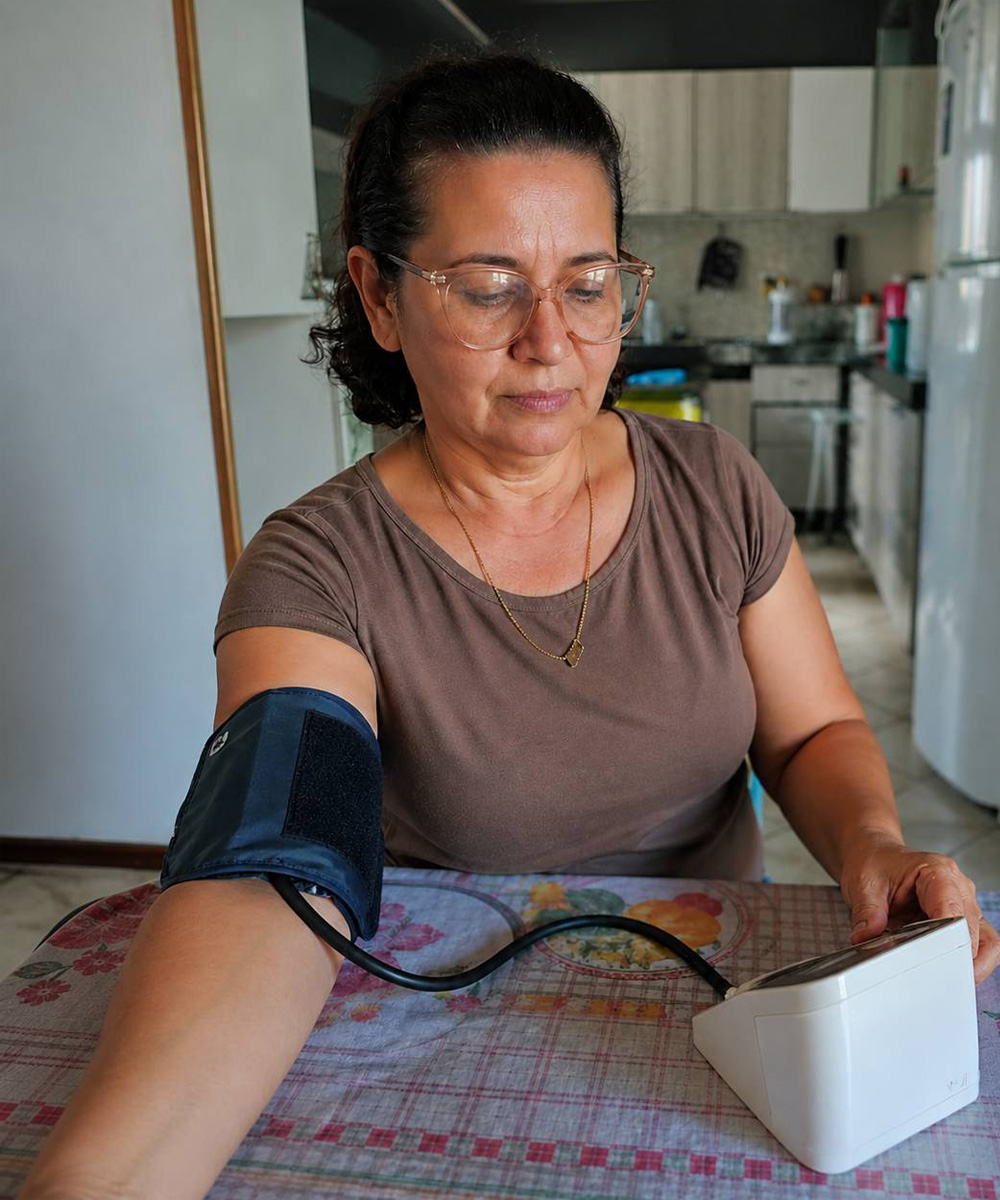
High blood pressure is more widespread than many people realize. It affects a large portion of adults and often develops silently over time. If left unmanaged, it makes the heart work harder than normal and can damage vital organs, increasing the risk of serious conditions like heart attacks and strokes.
What’s important to understand is that it’s not always caused only by salt intake or stress. There are several less obvious factors that can also contribute to rising blood pressure. Here are some of the most notable ones:
1. Excess Sugar
High intake of sugar—especially from processed foods—can be just as harmful as salt. Sugary drinks, in particular, may cause quick spikes in blood pressure.
2. Loneliness
Long-term feelings of isolation can negatively affect the body and have been linked to increased blood pressure over time.
3. Sleep Apnea
Interrupted breathing during sleep triggers stress responses in the body, which can elevate blood pressure and reduce oxygen levels.
4. Low Potassium Intake
A lack of potassium-rich foods can disrupt the balance with sodium, contributing to higher blood pressure.
5. Sudden Pain
Intense or sudden pain can activate the nervous system, causing temporary increases in blood pressure.
6. Herbal Supplements
Some natural remedies—such as ginseng, guarana, or St. John’s wort—may raise blood pressure or interfere with medications.
7. Thyroid Disorders
Both overactive and underactive thyroid conditions can affect heart function and blood pressure levels.
8. Infrequent Urination
Holding in urine for long periods may contribute to fluid retention and increased pressure in the body.
9. Anti-Inflammatory Medications
Common drugs like ibuprofen or aspirin may raise blood pressure, especially in people with existing hypertension.
10. Decongestants
Certain cold and allergy medications can narrow blood vessels, leading to higher blood pressure.
11. Dehydration
Not drinking enough water can cause blood vessels to constrict, which may increase blood pressure.
12. Hormonal Birth Control
Some contraceptives can affect circulation and raise blood pressure, particularly in women over 35 or with higher body weight.
13. Emotional Stress During Conversations
Highly emotional or intense discussions can temporarily elevate blood pressure due to increased heart rate.
14. Antidepressants
Certain antidepressant medications may influence neurotransmitters in ways that also affect blood pressure.
Helpful Tips
- Cut back on sugar and highly processed foods
- Stay properly hydrated throughout the day
- Eat potassium-rich foods like bananas, spinach, and nuts
- Exercise regularly at a moderate level
- Manage stress and seek support when needed
- Consult a doctor before using supplements or medications
- Prioritize quality sleep and check for sleep disorders
- Monitor blood pressure regularly, even if you feel fine
Final Note
High blood pressure doesn’t always have a single clear cause. Everyday habits, emotions, medications, and lifestyle choices can all play a role. Identifying these hidden factors early is essential for protecting heart health and maintaining overall well-being.