
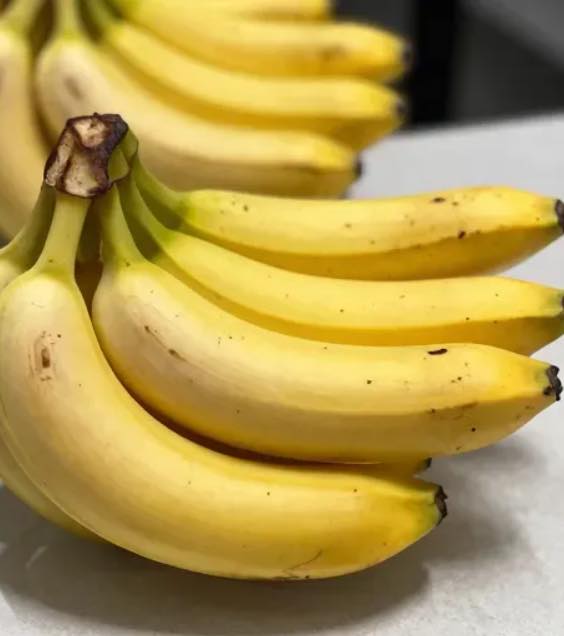
Eating Bananas: Myths You Should Stop Believing
Bananas are among the most widely eaten fruits in the world. They’re inexpensive, easy to carry, and packed with nutrients that support overall health. Despite their popularity, they’re often surrounded by confusion—some praise them as perfect athletic fuel, while others question whether they’re actually healthy. So what does science say?
What’s actually inside a banana?
A medium banana is more than just a sweet snack. It contains important nutrients like potassium, vitamin B6, vitamin C, magnesium, and dietary fiber. It’s relatively low in calories (around 100–110), contains almost no fat, and provides natural carbohydrates that act as a quick energy source.
Heart health benefits
One of the most well-known advantages of bananas is their support for heart health. Their high potassium content helps regulate blood pressure by balancing sodium levels and supporting proper muscle and nerve function, including the heart. Research has linked potassium-rich diets to a lower risk of stroke and hypertension.
Digestive support
Bananas are also gentle on the stomach and helpful for digestion. They contain both soluble fiber and resistant starch, which support gut health, improve nutrient absorption, and feed beneficial gut bacteria. This can help reduce bloating and support regular bowel movements.
Natural energy boost
Athletes often rely on bananas because they provide steady energy. Their mix of natural sugars—glucose, fructose, and sucrose—combined with fiber helps prevent rapid spikes and crashes in blood sugar, making them a reliable pre- or mid-workout snack.
Blood sugar and weight concerns
Although bananas contain natural sugars, their glycemic index is moderate, and fiber helps slow sugar absorption. When eaten in moderation, they are generally safe for most people, including those monitoring blood sugar levels. They are also unlikely to cause weight gain on their own and can actually help with fullness and appetite control.
Additional health benefits
Bananas contain antioxidants that help fight oxidative stress and support immune health. Some studies also suggest they may support kidney health by helping regulate blood pressure.
Common myths—debunked
- “Bananas have too much sugar” → They contain natural sugars balanced with fiber and nutrients.
- “They’re the best source of potassium” → They’re good, but foods like spinach and avocados contain more.
- “Bananas are radioactive and dangerous” → They contain trace natural potassium-40, but it’s harmless.
- “Blending destroys nutrients” → Smoothies still retain most of their nutritional value.
Are there downsides?
Eating bananas in normal amounts is safe for most people. However, consuming very large quantities daily may lead to excess fiber intake or potassium issues in rare cases. For most people, one to two bananas a day is considered a healthy range.
Final thought
Bananas are a simple, affordable, and nutrient-rich food that supports energy, digestion, and heart health. Like most foods, they are best enjoyed in moderation—and many of the fears surrounding them are based on myths rather than science.