
I sent my 14-year-old daughter to stay with her grandmother for Easter break, thinking she’d be safe and things would be normal. Then at 2:14 a.m., my phone rang.
A sheriff was on the line.
All he said was that my daughter was at the station and I needed to come immediately. He refused to explain anything over the phone.
My stomach dropped.
I asked if she was hurt, but he only repeated that she was safe for now and that I had to get there right away. That one word—“now”—made everything feel worse, not better.
I was out of bed instantly, trying to call my mother-in-law. No answer. Just voicemail over and over.
On the drive, my mind spiraled. She was supposed to be with her grandmother. I kept replaying every warning I had ever ignored, every doubt I had pushed aside.
I couldn’t shake the feeling that something had gone terribly wrong.
When I arrived at the station, they led me inside—but not to my daughter first.
The sheriff told me to sit down.
Then he explained what had happened.
My daughter hadn’t been arrested.
She had been driving.
And not for anything reckless.
They said she had woken up in the night at her grandmother’s house and found her unresponsive. She called for help, but the call dropped. Panicked and alone, she made a decision no 14-year-old should ever have to make—she got her grandmother into a car and drove her to the hospital herself.
She was scared. She wasn’t even a confident driver. But she kept going because she thought waiting could cost her grandmother’s life.
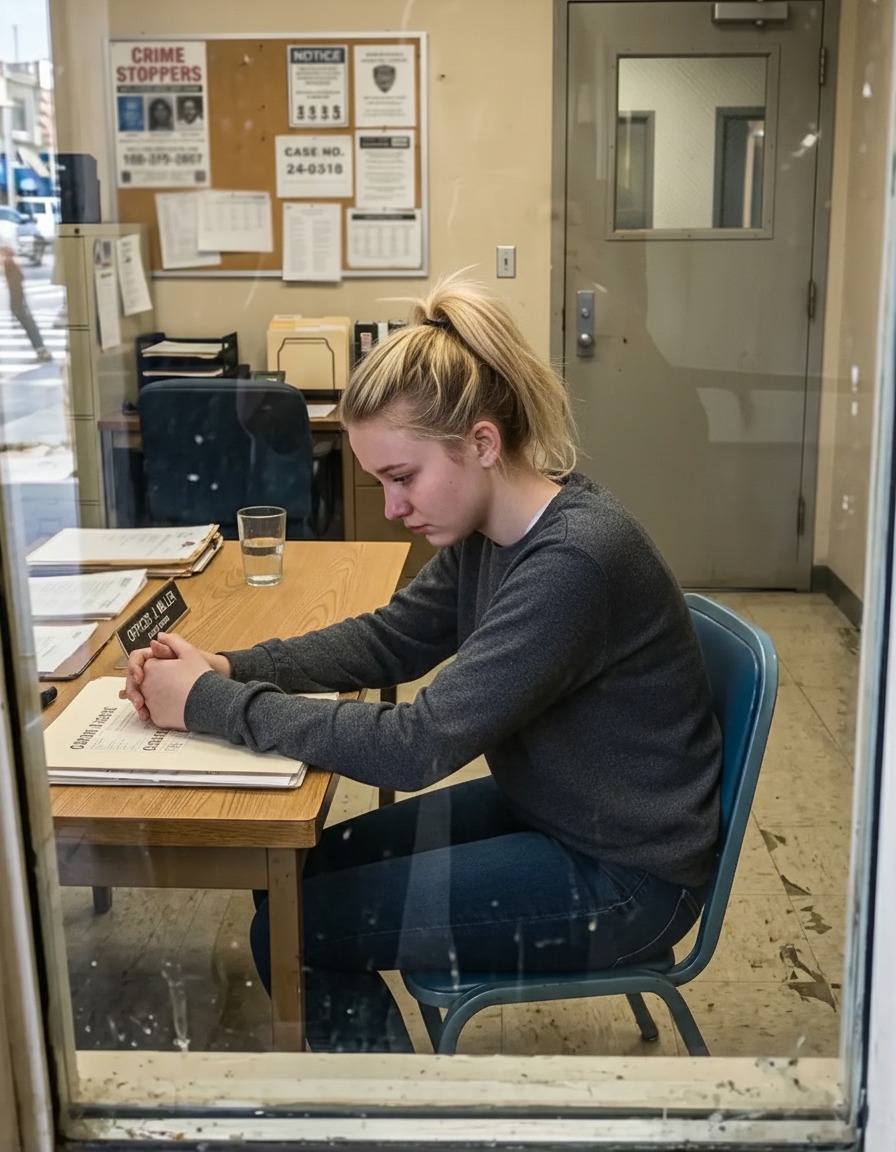
When I finally saw her in the room, she looked so small sitting there under fluorescent lights, like the weight of what she’d done had only just caught up with her.
She broke down when she saw me.
All she could say was, “I didn’t know what else to do.”
And in that moment, everything I thought I was upset about—rules, consequences, fear—fell away.
Because my daughter hadn’t been reckless.
She had been brave.